
Are you a busy working mom wondering how to tackle the challenge of potty training your little girl? Look no further! In this blog series, we’ll provide you with practical tips and guidance on potty training specifically tailored for girls. We understand the importance of early childhood development milestones, and potty training is one of the big ones. So, get ready to embark on this exciting journey with us as we help you navigate the world of potty training for girls and make the process a little less daunting for both you and your little one.

This image is property of www.pull-ups.com.
Understanding the Basics of Potty Training
The right age to start potty training
Potty training is an important milestone in your child’s development, and it’s important to start at the right age. While every child is different, most girls are ready to start potty training between the ages of 18 months and 3 years. It’s important to remember that readiness is not solely determined by age, but by your child’s individual signs of readiness and physical development.
Signs of readiness in girls
Before you begin potty training, you should look for signs that your little girl is ready. Some common signs of readiness in girls include showing an interest in using the potty, staying dry for longer periods of time, being able to follow simple instructions, and being able to communicate their needs. It’s important to listen to your child and watch for these signs before embarking on the potty training journey.
Preparing for the potty training journey
Preparing for potty training involves creating a positive and supportive environment for your child. Start by gathering all the necessary supplies, such as a potty chair or seat, training underwear, and rewards for incentive. It’s also important to educate yourself about various potty training methods so you can choose the approach that suits your child and your family’s lifestyle. Remember, patience and consistency are key during this journey.
Creating a Positive Environment
Setting up a dedicated potty training area
Creating a dedicated potty training area in your home can help set the stage for successful potty training. Choose a quiet and easily accessible spot, such as the bathroom or a designated corner in the living area. Make sure the area is well-equipped with all the necessary supplies like wipes, toilet paper, and hand sanitizer. Having a dedicated space will help your child associate that area with potty training and make the process more comfortable for both of you.
Choosing the right potty chair or seat
When it comes to selecting a potty chair or seat, it’s important to consider your child’s comfort and preferences. Some children may prefer a standalone potty chair, while others may feel more comfortable using a potty seat that fits over the regular toilet seat. Let your child choose the color or design of the potty chair or seat to make it more appealing and exciting. Remember, the goal is to create a positive and inviting environment that encourages your child to use the potty.
Making it comfortable and appealing
To make the potty training area more comfortable and appealing, consider adding some child-friendly elements. You can decorate the area with your child’s favorite stickers or posters to make it feel more personalized and enjoyable. Additionally, keeping a stash of books or toys nearby can help your child relax and stay occupied during potty time. Creating a positive and fun environment will make your child feel more at ease and excited about the potty training process.

This image is property of images.squarespace-cdn.com.
Establishing a Routine and Consistency
Creating a regular potty schedule
Establishing a regular potty schedule is essential for successful potty training. Set specific times throughout the day when your child should sit on the potty, such as after meals or before bedtime. Encourage your child to sit on the potty even if they don’t feel the need to go, as this helps establish a routine and reinforces the habit. Consistency is key, so try to stick to the schedule as much as possible, even when you’re on the go.
Using consistent language and cues
Consistency in your language and cues is important during potty training. Use specific words or phrases to indicate when it’s time to use the potty, such as “time to go potty” or “let’s use the big girl potty.” Avoid using confusing or babyish terms that may hinder your child’s understanding of the process. Choose consistent cues, such as a special hand signal or a designated potty song, to help your child associate these cues with using the potty.
Rewarding and celebrating successes
Rewarding and celebrating your child’s successes are important tools in the potty training journey. Create a reward system that works for your child, whether it’s stickers, small treats, or a special outing. Praise and celebrate each successful trip to the potty, regardless of whether your child actually goes or not. The focus should be on the effort and progress made, rather than the outcome. This positive reinforcement will motivate your child and make them feel proud of their achievements.
Introducing the Concept of Using the Potty
Explaining the purpose of the potty
Before your child begins potty training, it’s important to explain the purpose of the potty and why it’s important to use it. Use simple and age-appropriate language to explain that the potty is where they will go to the bathroom like grown-ups do. Emphasize that using the potty is a natural part of growing up and that it will help them feel more independent.
Demonstrating how to use it
Children learn best through observation, so it’s important to demonstrate how to use the potty. Take your child with you when you use the bathroom and explain each step, from sitting on the potty to wiping and flushing. Allow your child to ask questions and encourage their curiosity. You can also use books, videos, or dolls to demonstrate the process if your child responds well to visual aids.
Encouraging girls to practice sitting on the potty
To help familiarize your little girl with the potty, encourage her to practice sitting on it fully clothed. This helps her feel more comfortable and gets her used to the idea of sitting on the potty. Make it a fun and positive experience by playing games or reading stories while she sits on the potty. It may take some time for your child to feel at ease, so be patient and supportive during this process. Remember, every step forward is progress!

This image is property of www.babycentre.co.uk.
Developing Healthy Bathroom Habits
Teaching girls proper hygiene practices
As your little girl continues her potty training journey, it’s important to teach her proper hygiene practices. Show her how to wipe from front to back to help prevent urinary tract infections, and reinforce the importance of washing her hands after using the potty. Encourage good hygiene habits by leading by example and turning handwashing into a fun and enjoyable activity.
Encouraging wiping and handwashing
Wiping and handwashing are essential skills that girls need to learn during potty training. Teach your child how to properly wipe herself, emphasizing the importance of being clean and dry. You can use visual aids such as diagrams or songs to help her remember the steps. Reinforce the habit of handwashing by making it a routine after every visit to the potty. Provide a step stool so she can reach the sink easily, and use kid-friendly soap and towels to make it more appealing.
Introducing the use of toilet paper
As your child becomes more comfortable with using the potty, it’s time to introduce the use of toilet paper. Teach her how to tear off the right amount of toilet paper and how to properly dispose of it in the toilet. You can start by assisting her in the beginning and gradually allow her to do it independently. Emphasize the importance of cleanliness and proper waste disposal to instill good habits.
Dealing with Accidents and Regression
Staying calm during accidents
Accidents are a normal part of the potty training process, so it’s important to stay calm and supportive when they happen. Your child needs to feel safe and comfortable, even when accidents occur. Respond to accidents in a gentle and understanding manner, reassuring your child that accidents happen and it’s all part of learning. Avoid punishment or shaming, as this can create anxiety and setbacks in the potty training journey.
Addressing regression or resistance
It’s not uncommon for children to experience regression or resistance during potty training. Your child may have accidents or refuse to use the potty after showing progress. This is usually a sign of frustration or a desire for control. In these situations, it’s important to be patient and understanding. Offer gentle reminders and encouragement, and try to identify any triggers that may be causing the regression. Be consistent in your approach and find ways to make the potty training environment more inviting and enjoyable.
Troubleshooting common challenges
Potty training can come with its fair share of challenges, but with the right approach, they can be overcome. Some common challenges include constipation, fear of the toilet, or difficulties with bowel movements. If your child is experiencing any of these issues, be sure to consult with their pediatrician for guidance and support. They can provide helpful advice and recommend strategies to address these challenges. Remember, every child is different, and it’s important to tailor your approach to your child’s specific needs. Take the time to troubleshoot and find what works best for your little girl.

This image is property of assets.babycenter.com.
Nighttime Potty Training
Determining readiness for nighttime training
Nighttime potty training typically comes later than daytime training, as it requires your child to stay dry throughout the night. Signs of readiness for nighttime training include consistently waking up dry in the morning, showing an understanding of the need to use the potty at night, and being able to hold their bladder for extended periods. Keep in mind that nighttime dryness is a physical development that cannot be rushed, so be patient and supportive throughout this process.
Using protective bedding and covers
To ease the transition into nighttime potty training, use protective bedding and covers. Investing in a waterproof mattress cover and using absorbent bed pads can help protect your child’s mattress and make clean-up easier in case of accidents. Consider using a nightlight in the bathroom or hallway to help your child find their way to the potty during the night. Gradually reduce the use of diapers or pull-ups at night as your child becomes more confident and successful.
Implementing strategies for successful nights
To help your child have successful nights without accidents, establish a nighttime routine that prepares them for bed and reinforces the habit of using the potty. Limit fluid intake before bed and encourage your child to use the potty right before going to sleep. Consider waking your child up once during the night to use the potty, especially if they have a history of accidents. Consistency and patience are key during nighttime potty training, so continue to offer praise and support as your child progresses.
Supporting Girls’ Independence and Confidence
Encouraging self-initiation
As your little girl becomes more independent in her potty training journey, it’s important to encourage self-initiation. Teach her to recognize her body’s cues and encourage her to use the potty without relying on reminders. Remind her that she is in control and capable of using the potty independently. Celebrate her efforts and allow her to take ownership of the process.
Promoting self-care skills
Potty training is not just about using the toilet but also about promoting self-care skills. Encourage your child to take responsibility for washing her hands, pulling up her underwear, and properly disposing of toilet paper. These small steps foster independence and boost your child’s confidence in their ability to take care of themselves.
Boosting confidence throughout the process
Potty training can be challenging at times, but it’s important to boost your child’s confidence throughout the process. Offer praise and encouragement for every step forward, regardless of how small it may seem. Celebrate successes and express confidence in your child’s ability to master this new skill. Provide emotional support during accidents or setbacks and remind your child that mistakes are part of the learning process. By boosting confidence, you’re giving your little girl the motivation and belief that she can accomplish anything she sets her mind to.
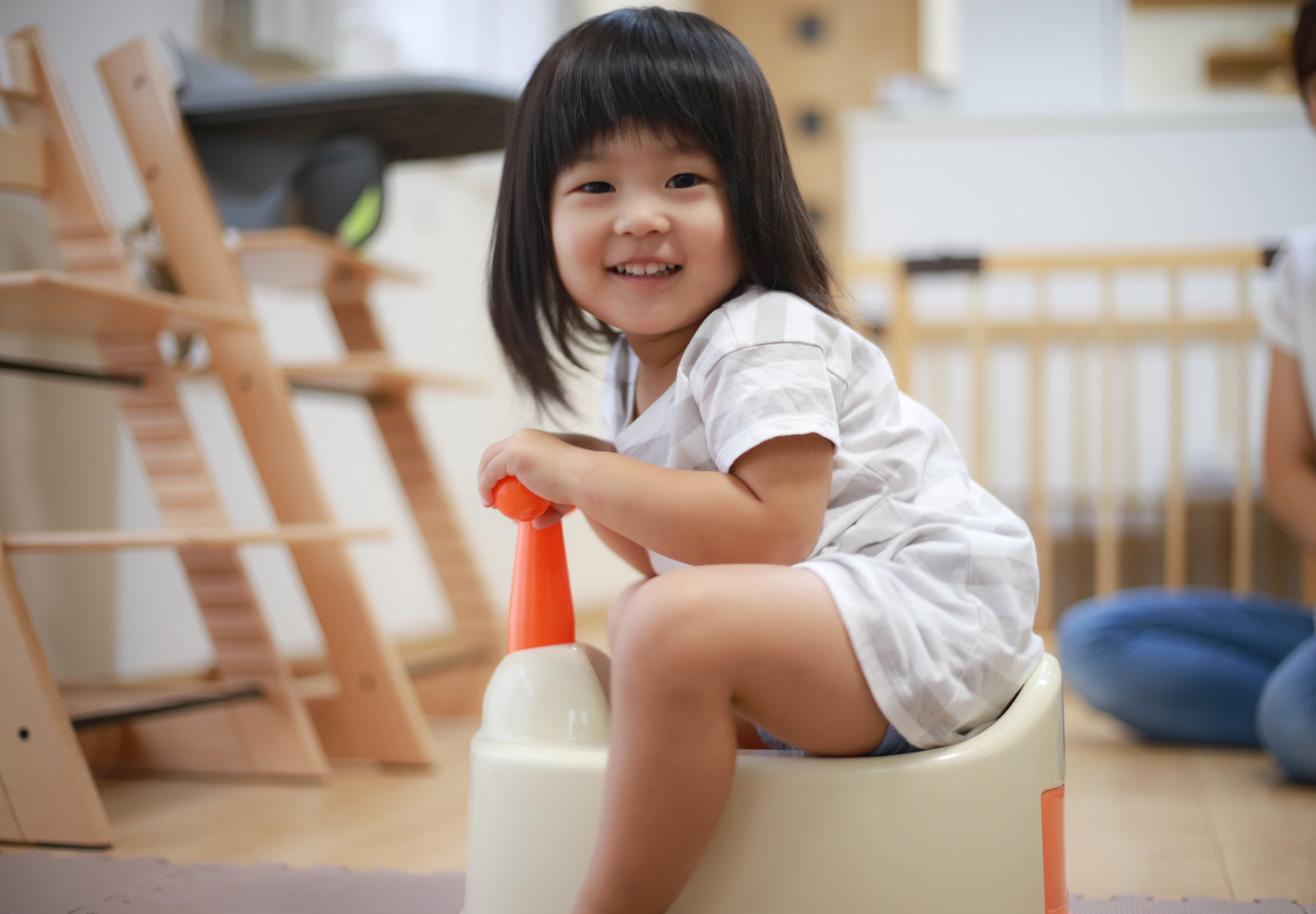
This image is property of ecopeaco.com.
Exploring Different Potty Training Methods
The gradual approach
The gradual approach to potty training involves slowly introducing your child to the concept of using the potty and gradually increasing their independence. This method starts with introducing your child to the potty and allowing them to practice sitting on it fully clothed. As your child becomes more comfortable, you can progress to having them sit on the potty without their diaper and eventually transition to using the potty for both pee and poop. The gradual approach is often less stressful for both parent and child and allows for a more relaxed and flexible potty training experience.
The intensive method
The intensive method, also known as the three-day method, involves an intense and focused period of potty training. With this method, you dedicate three consecutive days to focus solely on potty training, during which you have your child wear underwear instead of diapers or pull-ups. You closely monitor your child for signs that they need to go and quickly guide them to the potty. While this method can be quite demanding, it offers a concentrated effort that can lead to quick results.
Combining approaches for personalized training
Potty training is not a one-size-fits-all process, and combining different approaches can often lead to the most successful outcomes. Every child is unique, and what works for one may not work for another. By combining elements of different methods, you can tailor the training to your child’s specific needs and preferences. For example, you can use the gradual approach during the day and the intensive method during nighttime training. Be open to experimentation and adapt your approach as needed to find what works best for your child and your family.
Addressing Special Circumstances
Potty training girls with special needs
Potty training girls with special needs may require additional patience, understanding, and support. It’s important to consult with your child’s healthcare provider or specialist who can offer guidance specific to their needs. They can provide valuable insights, recommend strategies, and help address any challenges you may encounter during the potty training process. Remember that every child is unique, and the potty training journey may look different for girls with special needs.
Handling potty training in different environments
Potty training is not limited to just your home. It’s important to prepare your child for using the potty in different environments, such as daycare, preschool, or when visiting friends or family. Communicate with your child’s caregivers or teachers about your potty training approach and any specific needs or routines your child may have. Pack a portable potty seat or a foldable potty chair to ensure your child has a comfortable and familiar option when using public restrooms.
Dealing with resistance or refusal
Some girls may show resistance or refusal when it comes to potty training. This can be challenging for both parents and children alike. If your child resists or refuses to use the potty, it’s important to remain calm and patient. Try to identify any underlying causes for the resistance, such as fear or discomfort. Provide reassurance, gentle encouragement, and positive reinforcement to help your child overcome their resistance. Keep in mind that potty training is a gradual process and it’s normal to encounter setbacks along the way. With love, support, and consistency, your child will eventually embrace this new skill and overcome any resistance they may have.
In conclusion, potty training is an important milestone in your little girl’s life. By understanding the basics, creating a positive environment, establishing routines and consistency, and introducing the concept of using the potty, you can guide your child towards developing healthy bathroom habits. Addressing accidents, regression, and nighttime training is essential to ensure a successful potty training journey. Supporting your child’s independence and confidence, exploring different potty training methods, and addressing special circumstances will help tailor the experience to your little girl’s specific needs. Remember, every child is unique and will progress at their own pace. Be patient, supportive, and celebrate each step forward as you embark on this wonderful journey towards potty training success!