
Imagine a world where parents effortlessly navigate the challenges of raising their children, creating a harmonious and nurturing environment. In this article, you will discover the secrets to “Parenting Done Better.” Filled with practical tips, expert advice, and heartwarming stories, this insightful piece will empower you to become the best parent you can be, fostering a deep connection with your child and embracing the joys of family life. Whether you’re a seasoned parent or just beginning your journey, get ready to embark on a transformational adventure that will enhance your parenting skills and enrich the lives of your loved ones.

This image is property of www.parentingforbrain.com.
Importance of Setting Boundaries
Establishing clear rules and expectations
Setting boundaries is crucial in parenting as it helps children understand their limits and the expectations placed upon them. By establishing clear rules, parents provide a framework for behavior that promotes safety, respect, and responsibility. When children know what is expected of them, they are better able to navigate their world and make choices that align with these expectations. Boundaries also serve as a way to teach children about personal and interpersonal boundaries, setting them up for healthy relationships later in life.
Consistency in enforcing boundaries
Consistency is key when it comes to enforcing boundaries. Children thrive in an environment where rules are consistently upheld, and consequences are consistently implemented. When boundaries are inconsistent or constantly changing, children may become confused, anxious, or even rebellious. By consistently enforcing boundaries, parents create a sense of stability and security for their children, allowing them to develop a sense of trust and understanding.
Positive discipline techniques
In establishing boundaries, it is important to utilize positive discipline techniques. Positive discipline focuses on teaching children appropriate behavior rather than resorting to punishment or harsh discipline methods. Techniques such as redirection, natural consequences, and logical consequences help children learn from their actions and make better choices in the future. This approach encourages children to take responsibility for their behavior and develops their problem-solving skills, helping them grow into responsible and compassionate individuals.
Encouraging Open Communication
Active listening and empathy
Encouraging open communication begins with active listening and empathy. By actively listening to your child’s thoughts, feelings, and concerns, you create a safe space for them to express themselves. Show genuine interest and validate their emotions, even if you may not fully understand or agree with them. Empathy allows you to put yourself in your child’s shoes and understand their perspective. This fosters trust and strengthens your bond, making it easier for your child to approach you with any issue or problem they may have.
Building trust and respect
Building trust and respect with your child establishes a foundation for open communication. Trust is built through consistency, keeping your promises, and being reliable. When your child feels safe and secure in their relationship with you, they are more likely to open up and share their thoughts and experiences. Respect is equally important and should be mutual. By showing respect for your child’s opinions, needs, and boundaries, you demonstrate that their voice matters, promoting open and honest communication.
Fostering a safe and non-judgmental environment
Creating a safe and non-judgmental environment is essential for encouraging open communication. Make it clear to your child that they can come to you with any problem or concern without fear of judgment or punishment. Be patient and understanding when they confide in you, and refrain from criticizing or belittling their thoughts or feelings. It is important to create an atmosphere of acceptance and support, allowing your child to express themselves freely and fostering their emotional well-being.

This image is property of sunshine-parenting.com.
Promoting Emotional Intelligence
Teaching children to recognize and express emotions
Promoting emotional intelligence involves teaching children to recognize and express their emotions. Help your child develop a vocabulary to identify different emotions, and encourage them to express their feelings openly and honestly. By understanding their own emotions, they can better manage and regulate them, leading to healthier emotional development. Offer guidance and validation when your child expresses their emotions, allowing them to feel heard and understood.
Helping children develop empathy
Empathy is a vital aspect of emotional intelligence. Teaching your child empathy involves helping them understand and relate to the feelings and experiences of others. Encourage them to imagine how another person might be feeling in a given situation and discuss the impact of their actions on others. Provide opportunities for acts of kindness and compassion, such as volunteering or helping others in need. By fostering empathy, you are cultivating a sense of social responsibility and compassion in your child.
Teaching problem-solving skills
Developing problem-solving skills is an essential component of emotional intelligence. Teach your child different problem-solving strategies, such as brainstorming solutions, considering consequences, and evaluating different options. Encourage them to think critically and find creative solutions to challenges they may encounter. By equipping your child with problem-solving skills, you empower them to handle difficult situations effectively and build their confidence in their abilities.
Teaching Responsibility and Independence
Assigning age-appropriate chores
Teaching responsibility begins with assigning age-appropriate chores to your child. By giving them tasks to complete, you are teaching them the importance of contributing to the family and taking care of their surroundings. Chores also teach valuable life skills such as organization, time management, and accountability. Start with simple tasks and gradually increase the complexity as your child grows older. Allow them to take ownership of their responsibilities, and offer praise and recognition for a job well done.
Encouraging decision-making skills
Encouraging decision-making skills is crucial for fostering independence in your child. Provide opportunities for them to make choices and decisions in their daily lives, while offering guidance and support. Letting them make decisions allows them to develop problem-solving abilities and learn from their mistakes. As they grow older, involving them in family decisions and discussions can further enhance their decision-making skills and help them develop confidence in their abilities.
Gradually giving children more responsibilities
As your child grows, gradually giving them more responsibilities helps them develop independence and self-sufficiency. Increase their involvement in activities such as meal planning, budgeting, and managing personal hygiene. Allow them to take on age-appropriate tasks and gradually expand their responsibilities as they demonstrate competence and maturity. This process encourages your child to take ownership of their actions and prepares them for the challenges and responsibilities they will face in adulthood.

This image is property of afineparent.com.
Promoting Healthy Self-Esteem
Praising effort and achievements
Promoting healthy self-esteem involves praising your child’s efforts and achievements. Focus on recognizing their hard work, perseverance, and improvement rather than solely on the outcome. Encouraging a growth mindset, where mistakes are seen as learning opportunities, helps your child develop a positive self-image and resilience. Praise specific aspects of their actions or behavior, highlighting their strengths and encouraging them to continue striving for their goals.
Empowering children to make choices
Empowering your child to make choices fosters a sense of autonomy and self-worth. Offer age-appropriate choices, such as what clothes to wear or which extracurricular activity to pursue. By giving them the freedom to make decisions, you demonstrate that their opinions and preferences matter. This empowers them to develop their identity and boosts their self-confidence. However, it is important to provide guidance and boundaries to ensure their choices align with their well-being and values.
Modeling self-love and acceptance
Modeling self-love and acceptance is essential for your child’s healthy self-esteem. Be mindful of how you talk about yourself and others in their presence. Avoid negative self-talk and focus on embracing your own flaws and imperfections. Celebrate diversity and teach your child to appreciate and respect differences in others. By modeling self-love and acceptance, you provide a positive example for your child to follow and help them develop a strong sense of self-worth.
Creating Quality Family Time
Scheduling regular family activities
Creating quality family time involves scheduling regular activities that everyone can enjoy together. Set aside specific times in your family’s weekly or monthly schedule for shared experiences. This could be a family game night, movie night, or outings to a park or museum. By prioritizing these moments, you strengthen your family bonds and create lasting memories. Quality family time provides an opportunity for open communication, laughter, and connection in a relaxed and supportive environment.
Engaging in meaningful conversations
Engaging in meaningful conversations with your child helps deepen your relationship and fosters a sense of belonging. Take the time to ask open-ended questions and encourage discussions about topics that interest your child. Listen actively and show genuine interest in their thoughts and opinions. Create an atmosphere of respect and non-judgment, allowing your child to express themselves freely. Meaningful conversations promote understanding, empathy, and a sense of unity within the family.
Making shared memories
Making shared memories is another important aspect of creating quality family time. Engage in activities that allow for shared experiences and create lasting memories. This could involve going on family trips, participating in holiday traditions, or even engaging in simple, everyday activities together. By actively participating and being present in these moments, you strengthen the emotional connection between family members and create a sense of belonging and identity within the family unit.
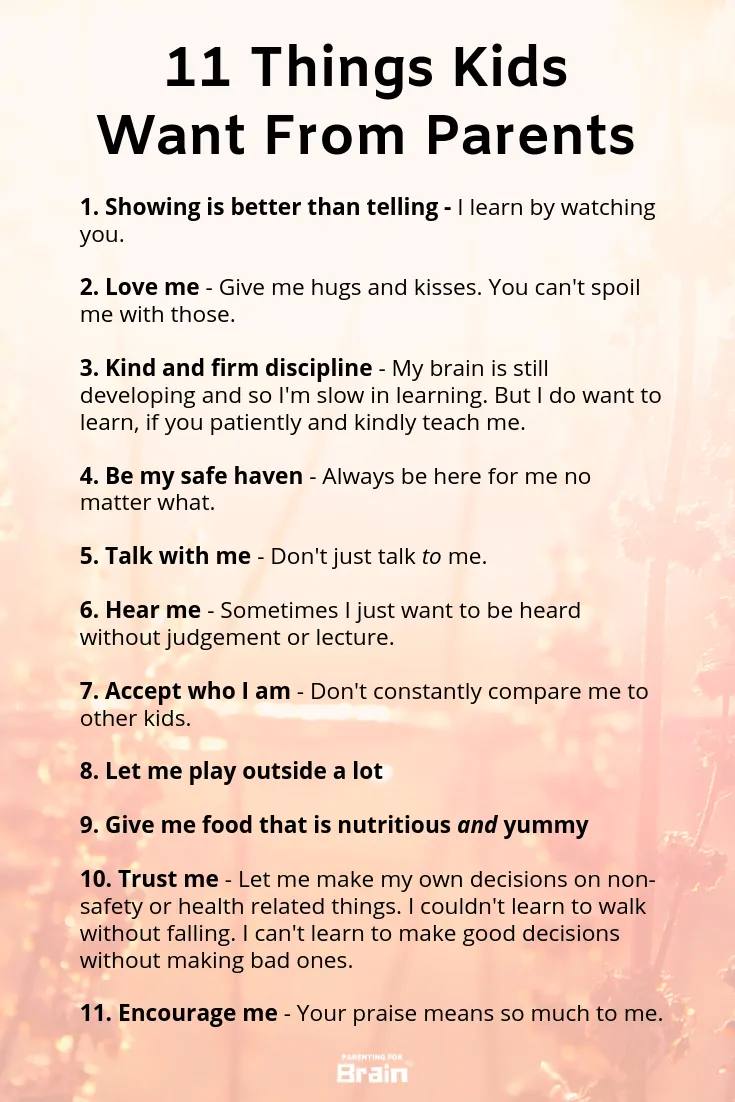
This image is property of www.parentingforbrain.com.
Setting a Positive Role Model
Practicing what you preach
Setting a positive role model starts with practicing what you preach. Children are keen observers and learn by watching how their parents act in different situations. Demonstrate the qualities and values you want your child to emulate, such as kindness, honesty, and respect. Be mindful of your own behavior, as it has a direct impact on how your child perceives and learns to navigate the world. By being a positive role model, you provide a strong foundation for your child’s moral and ethical development.
Showing respect and empathy towards others
Showing respect and empathy towards others is a crucial aspect of being a positive role model. Treat others with kindness and consideration, regardless of their age, background, or social status. Teach your child to value diversity, embrace differences, and show empathy for others’ feelings and experiences. Be mindful of how you communicate and resolve conflicts with others, as your child will likely emulate these behaviors. By modeling respect and empathy, you contribute to a more compassionate and inclusive society.
Demonstrating problem-solving and conflict resolution skills
Demonstrating problem-solving and conflict resolution skills is essential for being a positive role model. Show your child how to approach problems with a calm and rational mindset. Demonstrate effective communication, active listening, and finding mutually beneficial solutions in conflicts. Avoid resorting to aggression or manipulation, as these behaviors teach negative patterns to your child. By modeling healthy problem-solving and conflict resolution, you equip your child with valuable skills to navigate challenges in their own relationships and interactions.
Promoting a Balanced Lifestyle
Encouraging physical activity and healthy eating habits
Promoting a balanced lifestyle involves encouraging physical activity and healthy eating habits. Encourage your child to engage in regular physical activity that they enjoy, whether it be sports, dancing, or simply playing outdoors. Provide nutritious meals and snacks, emphasizing the importance of a varied and balanced diet. Educate your child about the benefits of exercise and healthy eating, and involve them in meal planning and preparation. By instilling these habits early on, you set the foundation for a lifetime of physical and mental well-being.
Setting limits on screen time
Setting limits on screen time is crucial in today’s technology-driven world. Excessive screen time can negatively impact a child’s physical health, mental well-being, and social development. Establish clear guidelines for screen time, such as limiting it to a certain number of hours per day or setting specific time windows for device usage. Encourage alternative activities such as reading, outdoor play, or creative hobbies. By setting limits, you promote a healthier balance between screen time and other activities that contribute to your child’s overall well-being.
Teaching the importance of self-care
Teaching the importance of self-care is vital for promoting a balanced lifestyle. Encourage your child to prioritize self-care activities that nurture their physical, emotional, and mental well-being. Teach them about the importance of restful sleep, maintaining personal hygiene, and listening to their body’s needs. Demonstrate self-care practices yourself and encourage your child to develop their own self-care routines. By emphasizing self-care, you empower your child to prioritize their well-being and develop healthy coping mechanisms for managing stress.

This image is property of simplylifetips.com.
Supporting Cognitive Development
Providing stimulating learning opportunities
Supporting cognitive development involves providing stimulating learning opportunities for your child. Offer a variety of educational resources, such as books, puzzles, educational games, and art supplies. Engage in activities that spark curiosity and critical thinking, such as science experiments, problem-solving challenges, or exploring nature. Encourage your child’s natural interests and provide opportunities for them to pursue further learning in those areas. By creating an intellectually stimulating environment, you support your child’s cognitive growth and foster a love for lifelong learning.
Encouraging curiosity and critical thinking
Encouraging curiosity and critical thinking is essential for your child’s cognitive development. Support their curiosity by answering their questions, encouraging exploration, and providing opportunities for hands-on learning. Teach them how to think critically by asking open-ended questions, encouraging them to analyze information, and consider different perspectives. By nurturing their natural curiosity and critical thinking skills, you prepare your child for success in school and beyond.
Being involved and supportive of education
Being involved and supportive of your child’s education is crucial for their cognitive development. Stay informed about their schoolwork, assignments, and progress, and actively participate in parent-teacher meetings and events. Show interest in their learning experiences and offer assistance when needed. Create a dedicated study space at home and establish consistent routines for homework and study time. By demonstrating the value of education and being actively involved, you foster a positive attitude towards learning and set the stage for academic success.
Promoting a Loving and Secure Environment
Expressing love and affection
Promoting a loving and secure environment starts with expressing love and affection towards your child. Demonstrate your love through verbal expressions, hugs, kisses, and other physical gestures of affection. Use words of affirmation to let your child know they are loved and valued. Make sure to express your appreciation for their unique qualities and accomplishments. By consistently showing love and affection, you create a strong emotional bond with your child and foster their emotional well-being.
Creating predictable routines and rituals
Creating predictable routines and rituals provides a sense of security and stability for your child. Establish daily routines for mealtime, bedtime, and other regular activities. Having a predictable structure helps children feel safe and helps them develop a sense of control over their environment. Additionally, create special rituals or traditions that your family can engage in together. These can be as simple as reading a bedtime story or having a weekly family movie night. By maintaining consistent routines and rituals, you create a sense of belonging and reinforce the family unit.
Ensuring a safe physical and emotional space
Ensuring a safe physical and emotional space is crucial for promoting a loving and secure environment. Create a physically safe home by childproofing hazards and providing a nurturing and comfortable living environment. Establish clear boundaries to maintain safety and protect your child from harm. Equally important is fostering an emotionally safe space where your child feels heard, respected, and supported. Make it clear that their emotional well-being is a priority and that they can trust you with their thoughts and emotions. By providing both physical and emotional security, you create an environment where your child can thrive and develop a strong sense of self.
In conclusion, parenting done better involves various elements that contribute to the overall growth and well-being of children. By setting clear boundaries, encouraging open communication, promoting emotional intelligence, teaching responsibility and independence, fostering healthy self-esteem, creating quality family time, setting a positive role model, promoting a balanced lifestyle, supporting cognitive development, and fostering a loving and secure environment, parents can create an environment that nurtures their child’s holistic development. By prioritizing these aspects and embodying a friendly and supportive parenting tone, you can lay the foundation for a positive and fulfilling parent-child relationship.