
Imagine a world where parenting becomes a joyful and rewarding journey, filled with moments of growth and love. “Parenting Done Better” takes you on a transformative ride, unlocking strategies and insights to help you navigate the challenges of raising a child. From fostering emotional intelligence to creating a nurturing environment, this article explores the power of connection and communication, empowering you to become the best parent you can be. Get ready to embark on this inspiring journey, where your little one’s happiness and well-being are at the heart of everything you do.

This image is property of www.parentingforbrain.com.
Understanding the Importance of Parenting
Parenting is one of the most important roles you will ever undertake in your life. It involves nurturing, guiding, and supporting your child to grow into healthy, happy, and successful individuals. Understanding the importance of parenting is key to creating a positive and fulfilling family life.
Creating a Safe and Nurturing Environment
Creating a safe and nurturing environment is essential for your child’s overall well-being and development. This involves providing a physically safe space, free from hazards and potential harm. It also means creating an emotionally safe environment where your child feels loved, valued, and supported.
To create a safe environment, it is important to childproof your home, ensuring that dangerous objects are out of reach and electrical outlets are covered. You should also establish household rules that prioritize safety, such as wearing seatbelts in the car and wearing helmets when riding a bike.
In addition to physical safety, your child needs an emotionally nurturing environment. This can be achieved by providing love, affection, and positive reinforcement. Spend quality time with your child, engage in activities they enjoy, and show interest in their interests and hobbies. By consistently demonstrating love and care, you help your child feel secure and build a strong foundation for their emotional well-being.
Developing a Strong Parent-Child Bond
Building a strong parent-child bond is crucial for your child’s healthy development and overall happiness. This bond forms the basis of trust, connection, and secure attachment between you and your child.
To develop a strong parent-child bond, prioritize spending quality time together. Engage in activities that promote bonding, such as reading together, playing games, or going on family outings. This dedicated time allows you to connect with your child on a deeper level and strengthens your relationship.
Communication is also vital in building a strong bond. Through effective and open communication, you can understand your child’s thoughts, feelings, and needs. Listen actively, validate their emotions, and provide them with a safe space to express themselves. By being attentive and responsive, you show your child that you value their thoughts and feelings, fostering a strong bond between you.
Promoting Emotional Intelligence
Emotional intelligence plays a crucial role in your child’s overall success and well-being. It involves the ability to recognize, understand, and manage emotions in oneself and others. By promoting emotional intelligence, you equip your child with the tools to navigate life’s challenges and build healthy relationships.
To promote emotional intelligence, help your child identify and label their emotions. Encourage them to express their feelings in a healthy manner and provide guidance on how to regulate emotions. Teach them strategies such as deep breathing, meditation, or engaging in activities that help them calm down when they feel overwhelmed.
Modeling emotional intelligence is equally important. Show your child how to effectively manage your own emotions, handle conflicts, and express empathy towards others. By demonstrating these skills in your own behavior, you provide your child with a valuable example to emulate.
Teaching Empathy and Compassion
Empathy and compassion are essential qualities that contribute to your child’s social and emotional development. They involve understanding and caring for the feelings and needs of others, as well as showing kindness and support.
To teach empathy and compassion, encourage your child to put themselves in the shoes of others. Help them understand different perspectives and consider how their actions may impact others. Engage in discussions about kindness and compassion, and reinforce positive behavior when your child demonstrates empathy towards others.
Engaging in volunteer work or community service can also cultivate empathy and compassion. By involving your child in activities that benefit others, they learn firsthand the importance of empathy and the impact their actions can have on those in need.
Fostering Independence and Resilience
Fostering independence and resilience is crucial for your child’s long-term success and well-being. It involves empowering them to take on age-appropriate responsibilities, make decisions, and develop problem-solving skills.
To foster independence, gradually give your child more autonomy in their daily tasks and decision-making. Encourage them to take responsibility for their actions, such as completing chores or managing their time effectively. Provide guidance and support when needed, but also allow them to learn from their mistakes and grow.
Resilience is the ability to bounce back from challenges and setbacks. Encourage your child to embrace challenges as learning opportunities and teach them how to problem-solve and find solutions. By instilling a growth mindset and emphasizing effort and persistence, you equip your child with the resilience needed to navigate life’s ups and downs.
Building Positive Communication
Positive communication is essential for building strong and healthy relationships within your family. By practicing effective communication, you create an environment where open dialogue and understanding thrive.
Active Listening and Effective Communication
Active listening is a fundamental aspect of effective communication. It involves giving your full attention to the speaker, understanding their perspective, and responding appropriately. When communicating with your child, make sure to listen actively and validate their feelings and thoughts.
To improve your communication skills, practice active listening techniques such as maintaining eye contact, nodding in agreement, and asking open-ended questions. These techniques show your child that you value their input and encourage them to express themselves more fully.
Effective communication also involves clear and concise expression of thoughts and emotions. Use age-appropriate language to convey your message and ensure that your child understands what you are trying to communicate. Avoid using negative or confrontational language and instead opt for positive and constructive communication.
Setting Clear Expectations and Boundaries
Setting clear expectations and boundaries is essential for helping your child understand what is expected of them and establishing a sense of structure and discipline. By clearly outlining your expectations and rules, you create a framework for positive behavior and provide your child with guidance.
When setting expectations and boundaries, make sure to communicate them clearly and consistently. Use age-appropriate language and be specific about your expectations. For example, if you expect your child to complete their homework before playing, clearly communicate this rule and reinforce it consistently.
It is important to remember that boundaries should be set in a loving and supportive manner. Explain to your child the reasons behind the rules and boundaries you set, helping them understand the importance of following them. By doing so, you help your child develop self-discipline and make choices that align with positive behavior.
Encouraging Open and Honest Dialogue
Encouraging open and honest dialogue is crucial for creating an environment where your child feels comfortable expressing their thoughts, concerns, and emotions. By fostering open communication, you strengthen your relationship with your child and help them develop effective communication skills.
To encourage open and honest dialogue, create a safe space for your child to share their thoughts and feelings without fear of judgment or consequences. Listen attentively to their concerns and avoid interrupting when they are speaking. Show empathy and understanding, and avoid dismissing or diminishing their emotions.
Regularly check in with your child to see how they are doing and if there’s anything they want to talk about. Encourage them to ask questions and express their opinions, fostering a sense of trust and open communication.
Resolving Conflicts Calmly
Conflicts are a natural part of any relationship, including between parents and children. Teaching your child how to resolve conflicts calmly and respectfully is an important life skill that will serve them well in their interactions with others.
When conflicts arise, it is important to model calm and respectful behavior. Avoid raising your voice or resorting to punitive measures. Instead, encourage open dialogue, active listening, and compromise. Teach your child how to express their needs and concerns in a respectful manner, and guide them in finding mutually agreeable solutions.
It is also crucial to teach your child the importance of apologizing when they are in the wrong and accepting apologies from others. By resolving conflicts peacefully, you instill positive values and promote healthy relationships within your family.
Modeling Respectful Communication
As a parent, you serve as a role model for your child, and they learn by observing your behavior. Modeling respectful communication is key to teaching your child how to interact with others in a positive and respectful manner.
Be mindful of the way you communicate with your child and others. Use kind and respectful words, and avoid engaging in negative or disrespectful communication. Show empathy and understanding, and validate your child’s feelings and thoughts. By modeling respectful communication, you set a positive example for your child to follow.

This image is property of sunshine-parenting.com.
Providing Age-Appropriate Discipline
Discipline is an important aspect of parenting that helps shape your child’s behavior and teaches them right from wrong. Providing age-appropriate discipline ensures that your child learns to make responsible choices and develop self-discipline.
Consistent and Fair Discipline Techniques
Consistency and fairness are essential when it comes to disciplining your child. Clear expectations and consequences for inappropriate behavior should be established and consistently enforced. By remaining consistent, you help your child understand the boundaries and expectations that have been set.
Fairness also plays a crucial role in discipline. Avoid favoritism or unfair punishments. Treat each child equally and ensure that consequences are appropriate for the behavior displayed. This helps your child understand that discipline is not arbitrary but based on their actions.
Understanding Developmental Stages
Discipline techniques should be tailored to your child’s developmental stage. Each stage brings its own challenges and the way you discipline should align with your child’s cognitive and emotional abilities.
For example, toddlers may respond well to redirection and distraction, while older children may benefit from logical consequences or time-outs. Understanding your child’s developmental stage helps you choose discipline techniques that are effective and appropriate.
Using Positive Reinforcement
Positive reinforcement is a powerful tool in discipline that focuses on highlighting and reinforcing positive behavior. Instead of solely focusing on punishing negative behavior, make a conscious effort to recognize and reward good behavior.
Praise your child when they demonstrate positive behavior, such as sharing, being kind to others, or completing tasks without being reminded. By reinforcing positive behavior, you motivate your child to continue displaying these behaviors and make them feel valued and appreciated.
Setting Consequences for Inappropriate Behavior
Setting consequences for inappropriate behavior is an important aspect of discipline. Consequences should be age-appropriate and reflect the behavior in question. They should also serve as a learning opportunity for your child, helping them understand the consequences of their actions.
When setting consequences, make sure they are fair and proportionate to the behavior. Consequences may include things like loss of privileges, time-outs, or restitution for damage caused. It is important to clearly communicate the consequences before they come into effect, giving your child an opportunity to modify their behavior.
Avoiding Harsh Punishments and Shaming
Harsh punishments and shaming are generally ineffective as discipline techniques and can have long-lasting negative effects on your child’s emotional well-being. Instead of resorting to punitive measures, focus on teaching your child how to make better choices and understanding the impact of their actions.
Avoid harsh physical punishments or public shaming, as these can lead to feelings of shame, low self-esteem, and resentment. Instead, opt for discipline techniques that encourage self-reflection and learning, such as discussions about consequences and alternative ways to handle situations.
Prioritizing Mental and Emotional Well-being
Prioritizing your child’s mental and emotional well-being is essential for their overall happiness and success. Mental and emotional well-being involves having a positive mindset, managing stress, and developing coping mechanisms for difficult situations. By prioritizing their well-being, you equip your child with the tools needed to navigate life’s challenges.
Promoting a Healthy Work-Life Balance
Promoting a healthy work-life balance is crucial for your child’s mental and emotional well-being. Create a schedule that allows for dedicated family time, playtime, and relaxation. Avoid overwhelming your child with extracurricular activities or excessive academic pressure. Ensure that they have time for rest, hobbies, and spending time with loved ones.
Encourage a healthy balance between school, extracurricular activities, and leisure time. Teach your child the importance of self-care and stress management, helping them develop lifelong habits that promote mental and emotional well-being.
Encouraging Self-Care
Encourage your child to engage in self-care activities that promote their mental and emotional well-being. This can include activities such as journaling, practicing mindfulness, engaging in hobbies, or spending time outdoors.
Teach your child the importance of self-reflection and self-compassion. Help them identify their emotions and develop healthy ways to cope with stress or difficult situations. By encouraging self-care, you support their overall well-being and help them build resilience.
Supporting Emotional Expression
Supporting your child’s emotional expression is crucial for their mental and emotional well-being. Create a safe space where they can freely express their emotions without fear of judgment or punishment.
Validate your child’s emotions and let them know it is okay to feel a wide range of emotions. Encourage them to articulate their emotions using age-appropriate language and provide guidance on healthy ways to express and manage their feelings.
Addressing Mental Health Concerns
Addressing mental health concerns is important for your child’s well-being. Be attentive to changes in their behavior, mood, or overall demeanor, as these may indicate underlying mental health issues.
If you notice persistent changes in your child’s behavior or if you have concerns about their mental health, seek professional advice. Connect with a qualified mental health professional who can provide guidance, support, and intervention when needed.
Building a Supportive Network
Building a supportive network is essential for your child’s mental and emotional well-being. Surround your child with positive role models, such as family members, friends, and mentors, who can provide guidance, support, and encouragement.
Encourage your child to build friendships and foster positive relationships with their peers. Connection with others is important for their social and emotional development and provides additional sources of support and encouragement.

This image is property of afineparent.com.
Nurturing Educational Development
Education plays a crucial role in your child’s development and future success. By nurturing their educational development, you set the foundation for a lifelong love of learning and intellectual growth.
Providing a Stimulating Learning Environment
Creating a stimulating learning environment is essential for your child’s educational development. Provide access to educational materials, such as books, puzzles, and educational apps, that spark curiosity and promote learning.
Designate a specific area in your home for studying and homework. This space should be free from distractions and equipped with the necessary materials to support your child’s learning.
Supporting Curiosity and Exploration
Encourage your child’s natural curiosity and desire to explore the world around them. Provide opportunities for hands-on learning and engage in activities that promote exploration and discovery.
Take field trips to museums, zoos, or local attractions that align with your child’s interests. Encourage them to ask questions, investigate, and seek answers. By supporting their curiosity and exploration, you fuel their love for learning.
Encouraging Reading and Intellectual Growth
Reading is an essential skill that unlocks a world of knowledge and imagination. Encourage your child to read regularly and make it a part of your daily routine.
Create a reading-friendly environment by having a variety of age-appropriate books available in your home. Read together with your child and model a love for reading. Discuss books, ask questions, and engage in conversations about the stories or information they have read.
Collaborating with Teachers and Schools
Collaborating with teachers and schools is crucial for your child’s educational development. Establish open lines of communication and engage in regular discussions about your child’s progress, strengths, and areas for improvement.
Attend parent-teacher conferences and participate in school activities. Volunteer your time, if possible, to support the school community. By actively engaging with your child’s school, you show your child the importance of education and set the stage for a positive learning experience.
Recognizing and Celebrating Achievements
Recognition and celebration of achievements are important for your child’s motivation and self-esteem. By acknowledging their progress and accomplishments, you instill a sense of pride and encourage continued growth.
Celebrate both small and big achievements, such as completing a challenging assignment, mastering a new skill, or receiving a good grade. Provide praise and encouragement, and make sure your child knows that their efforts are valued and appreciated.
Promoting Positive Behavior and Values
Promoting positive behavior and values is essential for your child’s character development and moral compass. By teaching and instilling core values, empathy, and kindness, you help shape your child into a compassionate and respectful individual.
Teaching Core Values and Morals
Teaching core values and morals is important for your child’s growth and development. These values serve as a guide for their behavior and decision-making, helping them navigate life’s challenges.
Identify the core values that are important to you and your family, such as honesty, integrity, compassion, or respect. Talk to your child about these values and explain why they are important. Reinforce these values through discussions, stories, and role-playing situations.
Instilling Empathy and Kindness
Empathy and kindness are foundational qualities that contribute to positive relationships and a compassionate society. Instilling empathy and kindness in your child involves modeling these behaviors and providing opportunities for them to practice these qualities.
Encourage your child to engage in acts of kindness, such as helping others or showing compassion towards someone in need. Teach them to consider the feelings and needs of others, fostering a sense of empathy and understanding.
Encouraging Respect for Diversity
Respect for diversity is an essential value that promotes inclusivity and understanding. Teach your child to appreciate and respect people from different cultural, racial, and socio-economic backgrounds.
Expose your child to diverse cultures, traditions, and experiences. Encourage them to ask questions, foster friendships with individuals from diverse backgrounds, and engage in discussions about diversity and inclusivity. By promoting respect for diversity, you nurture a sense of acceptance and empathy within your child.
Cultivating a Strong Sense of Integrity
Integrity is a fundamental value that encompasses honesty, trustworthiness, and moral uprightness. By cultivating a strong sense of integrity in your child, you instill a moral compass that guides their actions.
Model integrity in your own behavior and use teachable moments to discuss the importance of honesty, even in difficult situations. Encourage your child to make ethical choices and hold themselves accountable for their actions. By cultivating a strong sense of integrity, you empower your child to make choices that align with their values and principles.
Modeling Good Behavior
As a parent, your behavior serves as a powerful example for your child. Modeling good behavior involves demonstrating the values and qualities you want your child to emulate.
Be kind, respectful, and compassionate in your interactions with others. Display honesty, integrity, and empathy in your daily life. By modeling good behavior, you give your child a tangible example to follow, helping to shape their own behavior and character.
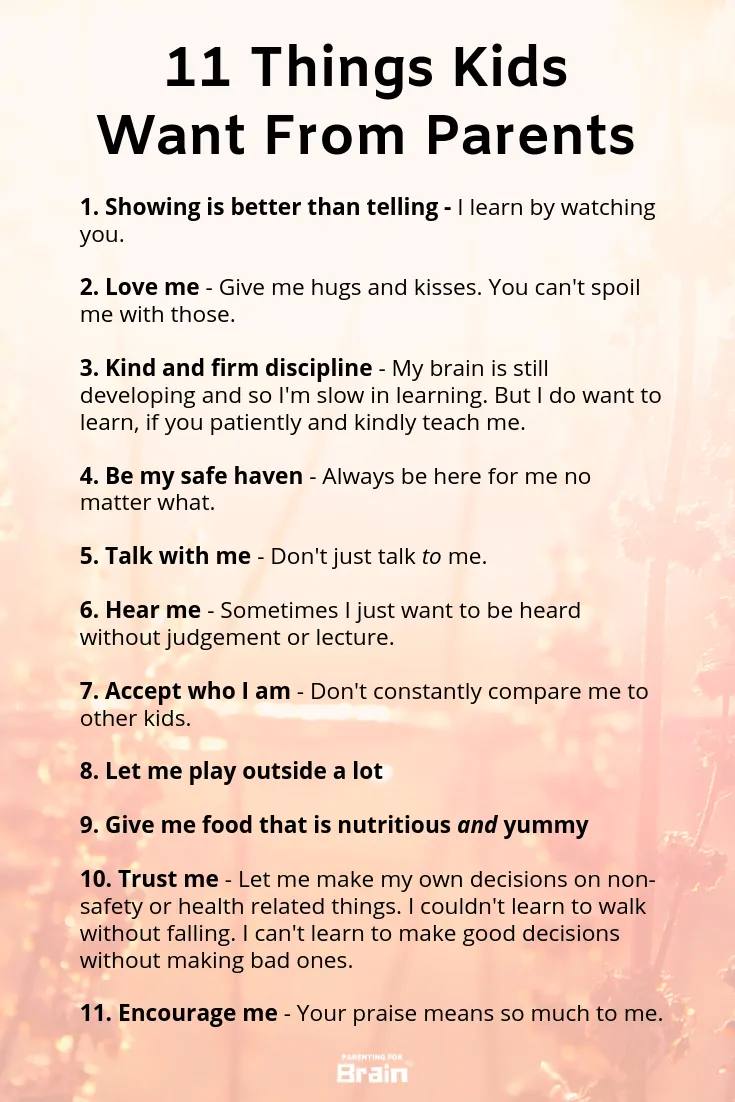
This image is property of www.parentingforbrain.com.
Balancing Structure and Flexibility
Balancing structure and flexibility is important for creating a harmonious family life. While having routines and expectations provides stability, allowing flexibility allows for spontaneity and adaptability.
Establishing Routines and Consistency
Routines provide structure and predictability, which are essential for your child’s overall well-being. Establish regular routines for daily activities such as waking up, meal times, homework, and bedtime.
Consistency is key for routines to be effective. Stick to the established routines as much as possible, so your child knows what to expect. This provides a sense of stability and security, helping your child feel grounded and supported.
Allowing Flexibility for Spontaneity
While routines are important, allowing flexibility for spontaneity adds an element of fun and adventure to your family life. Embrace opportunities for spontaneous outings or activities that deviate from the usual routine.
By allowing flexibility, you teach your child the importance of adaptability and provide them with experiences that broaden their horizons. Balance the structure of routines with the excitement of unexpected adventures, creating a balanced and fulfilling family life.
Adapting to Changing Circumstances
Life is full of changes, and being able to adapt is a valuable skill. Teach your child how to adapt to changing circumstances by demonstrating flexibility in your own life.
Discuss and explain the reasons behind changes as they arise. Help your child identify the positive aspects that can come from change and encourage them to approach new situations with an open mind.
Teaching Time Management Skills
Time management is a crucial skill that helps your child effectively navigate their responsibilities and commitments. Teach your child the importance of managing their time wisely and help them develop strategies for prioritizing tasks.
Coach your child to set realistic goals and establish a routine that includes dedicated time for homework, chores, extracurricular activities, and leisure. Encourage them to break tasks into manageable chunks and use tools such as planners or calendars to organize their time effectively.
Promoting Responsibility and Accountability
Promoting responsibility and accountability helps your child develop a strong sense of ownership and pride in their actions. Encourage your child to take responsibility for their choices, actions, and obligations.
Assign age-appropriate chores and tasks that give your child a sense of responsibility. Hold them accountable for completing their tasks and provide guidance and support as needed. By promoting responsibility and accountability, you help your child develop valuable life skills and a strong work ethic.
Embracing Mistakes and Learning Opportunities
Mistakes are an inevitable part of life, and learning from them is crucial for personal growth and development. By embracing mistakes and learning opportunities, you teach your child resilience, problem-solving skills, and the importance of continuous learning.
Teaching the Value of Learning from Failure
Failure is an opportunity for growth and learning. Teach your child that mistakes and failures are not reasons to give up, but rather stepping stones to success.
Encourage your child to reflect on their mistakes and identify lessons learned. Discuss the importance of resilience, perseverance, and the benefits of learning from failure. By reframing mistakes as learning opportunities, you help your child build a growth mindset and embrace challenges.
Encouraging a Growth Mindset
A growth mindset is the belief that intelligence and abilities can be developed through dedication, effort, and persistence. Encourage your child to adopt a growth mindset by emphasizing the importance of effort, resilience, and the belief in their own potential.
Praise your child for their effort rather than focusing solely on their achievements. Teach them that intelligence and skills can be improved through hard work and that setbacks are temporary. By fostering a growth mindset, you help your child develop a positive attitude towards learning and personal development.
Helping Children Develop Problem-Solving Skills
Problem-solving skills are essential for navigating life’s challenges and finding effective solutions. Encourage your child to develop problem-solving skills by providing opportunities for them to think critically and find solutions to everyday problems.
Engage in discussions that require your child to analyze situations and come up with potential solutions. Encourage them to think creatively, consider different perspectives, and evaluate the potential outcomes of their choices. By helping your child develop problem-solving skills, you enable them to approach challenges with confidence and resilience.
Emphasizing Effort and Persistence
Effort and persistence are key ingredients for success in any aspect of life. Emphasize the importance of putting in effort and persevering, even in the face of obstacles or setbacks.
Praise your child for their hard work, determination, and resilience. Teach them the value of perseverance and encourage them to keep trying, even when things get tough. By emphasizing effort and persistence, you help your child develop a strong work ethic and the motivation to overcome challenges.
Supporting Personal Development and Growth
Supporting your child’s personal development and growth involves providing them with opportunities to explore their interests, talents, and passions. Allow your child to pursue activities they enjoy and provide support and encouragement along the way.
Encourage them to try new things, take risks, and step out of their comfort zone. Support their interests by providing resources, enrolling them in classes or programs, or connecting them with mentors who can help them develop their skills. By supporting their personal development and growth, you help your child discover their strengths and interests, as well as foster a sense of fulfillment and purpose.

This image is property of i0.wp.com.
Being Present and Engaged
Being present and engaged in your child’s life is crucial for building a strong and nurturing relationship. By actively participating in their experiences and creating meaningful connections, you foster a sense of belonging and support their overall well-being.
Spending Quality Time with Children
Spending quality time with your child is essential for building a strong and meaningful relationship. Allocate dedicated time each day to engage in activities together that foster connection, such as playing games, going for walks, or cooking together.
During this time, be fully present and engaged. Put away electronic devices and give your child your undivided attention. Listen actively, ask open-ended questions, and show genuine interest in their thoughts, feelings, and experiences. By spending quality time with your child, you create cherished memories and strengthen your bond.
Creating Rituals and Traditions
Creating rituals and traditions is a powerful way to strengthen your family bond and create a sense of belonging. Establish rituals or traditions that involve your child and reflect your family values and interests.
These rituals can include activities such as weekly movie nights, Sunday family dinners, or monthly outings. Traditions can involve celebrating holidays, birthdays, or anniversaries in unique and meaningful ways. By creating rituals and traditions, you provide your child with a sense of continuity, security, and shared experiences that create lasting memories.
Engaging in Activities Together
Engaging in activities together is a wonderful way to connect with your child and create shared experiences. Find activities that both you and your child enjoy, whether it’s playing sports, exploring nature, doing crafts, or cooking.
Engaging in activities together allows you to bond, share laughter, and create lasting memories. It provides an opportunity to teach and learn from each other, fostering a sense of connection and understanding.
Active Involvement in School and Community
Active involvement in your child’s school and community sends a powerful message that education and community engagement are important values in your family. Attend school events, parent-teacher conferences, and volunteer for school or community activities.
By actively participating in your child’s school and community life, you show them that you value their education and personal development. You also create opportunities for involvement, connection, and support from others within the school or community.
Listening and Validating Feelings
Listening and validating your child’s feelings is crucial for creating an emotionally safe environment and fostering open communication. Allow your child to express their emotions without judgment and provide a safe space for them to share their thoughts and concerns.
Listen actively, without interrupting or dismissing their feelings. Show empathy and understanding, and acknowledge the validity of their emotions. By validating and listening to your child’s feelings, you strengthen your bond and help them develop healthy emotional expression.
Seeking Continuous Learning and Improvement
Parenting is a continuous learning journey, and seeking knowledge and improvement is vital for becoming the best parent you can be. Stay informed about parenting practices, attend workshops or parenting classes, and seek professional advice when needed.
Staying Informed about Parenting Practices
Parenting practices evolve and change over time as new research and information emerge. Stay informed about current parenting practices and trends by reading books, articles, and reputable online resources.
Keep up to date with age-appropriate milestones and developmental stages so that you can support your child’s growth and make informed decisions. Actively seek credible sources of information and consult professionals when necessary.
Attending Workshops and Parenting Classes
Attending workshops and parenting classes provides valuable insights and guidance on various aspects of parenting. These resources offer an opportunity to learn from experts, exchange ideas with other parents, and gain practical tools and strategies for navigating different challenges.
Look for workshops or classes that align with your specific parenting needs or interests. Topics may include discipline strategies, communication skills, emotional intelligence, or managing stress. By attending such workshops and classes, you invest in your own growth as a parent and gain a valuable support network.
Reading Books and Articles on Parenting
Books and articles on parenting offer a wealth of knowledge and perspectives that can provide valuable guidance throughout your parenting journey. Choose books and articles that resonate with your parenting style and address the specific challenges you may be facing.
Reading allows you to explore different parenting approaches, gain new perspectives, and learn practical strategies to implement in your own life. It also provides an opportunity for self-reflection and personal growth as a parent.
Seeking Professional Advice when Needed
There may be times when you need professional advice or support, and seeking help is a sign of strength and dedication to your child’s well-being. Reach out to professionals, such as pediatricians, child psychologists, or family therapists, when you have concerns or questions.
Be proactive in seeking professional advice when you feel overwhelmed or unsure about how to address specific challenges. Professionals can provide guidance, support, and intervention tailored to your child’s individual needs.
Reflecting and Adapting as Children Grow
As children grow and develop, it is important to reflect on your parenting approach and be open to adapting as needed. Each child is unique, and what works for one may not work for another. Reflect on your own experiences, successes, and challenges, and make adjustments accordingly.
Take time to evaluate your parenting approach and identify areas where you can improve or adjust. Regularly check in with your child to discuss their thoughts and feelings about your parenting methods. By reflecting and adapting, you show your child that your love and commitment are constant, while also honoring their individuality and changing needs.
Parenting is a journey of love, growth, and continuous learning. By understanding the importance of parenting and applying the principles discussed in this article, you can create a positive and nurturing environment that supports your child’s overall development and well-being. Your role as a parent is both challenging and rewarding, and the efforts you invest in your child’s upbringing will have a lasting impact on their lives. Let your journey be guided by love, patience, and a commitment to being the best parent you can be.