
Have you ever wondered how to successfully navigate the intricacies of the popular Keto diet? Look no further. This article is designed to provide you with a comprehensive understanding of the Keto diet, tailored specifically for beginners. With a focus on simplicity and ease, the goal is to enlighten you about this transformative eating plan, paving the way to a healthier lifestyle. So, without further ado, let’s embark on this journey together – the Keto Diet for Dummies.

This image is property of Amazon.com.
What is the Keto Diet?
The Keto Diet, short for Ketogenic Diet, is a low-carb, high-fat diet that has gained popularity in recent years. This diet focuses on drastically reducing carbohydrate intake and replacing it with fat. By doing so, it shifts the body’s metabolism from using glucose as its primary source of energy to using stored fat for fuel. In the absence of carbohydrates, the body enters a metabolic state called ketosis, where it produces ketones from fat breakdown to provide energy for the body and brain.
Definition of the Keto Diet
The Keto Diet is a diet plan that restricts carbohydrate intake and encourages the consumption of high amounts of fat and moderate protein. The goal is to put your body into a metabolic state called ketosis, where it relies on fat for energy instead of carbohydrates.
How the Keto Diet Works
The Keto Diet works by drastically reducing carbohydrate intake, typically to less than 50 grams per day. This restriction forces the body to use fat as its primary fuel source instead of carbohydrates. When carbohydrates are limited, the body begins to break down stored fat into ketones, which are then used as an alternative fuel source.
Benefits of the Keto Diet
The Keto Diet has been associated with several benefits:
- Weight Loss: The Keto Diet has been shown to be effective for weight loss, particularly in the short-term. By reducing carbohydrate intake, the body utilizes stored fat as a source of energy, leading to weight loss.
- Increased Energy Levels: When the body adjusts to ketosis, many people report increased energy levels and improved mental clarity.
- Reduced Blood Sugar and Insulin Levels: The Keto Diet has been found to lower blood sugar and insulin levels, which can be beneficial for people with diabetes or insulin resistance.
- Improved Heart Health: The Keto Diet may help improve heart health by reducing triglyceride levels, increasing HDL (good) cholesterol, and reducing LDL (bad) cholesterol.
- Reduced Appetite: High-fat foods can help keep you satiated for longer periods, reducing cravings and overall calorie consumption.
Getting Started with the Keto Diet
Understanding Macronutrient Ratios
To follow the Keto Diet, it is important to understand the macronutrient ratios. Typically, a standard Keto Diet consists of approximately 70-75% fat, 20-25% protein, and 5-10% carbohydrates.
Calculating Your Macros
Calculating your macronutrient (macro) needs is essential for setting up a personalized Keto Diet plan. Online calculators and apps can help determine the appropriate macronutrient ratios based on your individual needs such as age, weight, height, activity level, and goals.
Preparing Your Pantry
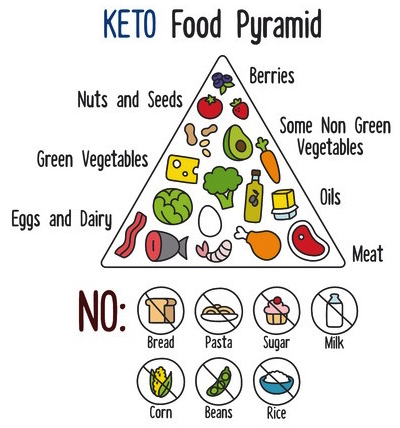
For a successful Keto Diet journey, it is crucial to stock your pantry with keto-friendly foods. This includes healthy fats like coconut oil, olive oil, avocados, and nuts. You’ll also want to have a variety of protein sources, low-carb vegetables, full-fat dairy products, and keto-friendly sweeteners.
Meal Planning Tips
Meal planning is a key component of the Keto Diet. Plan your meals and snacks in advance to ensure you’re meeting your macronutrient goals. Focus on including a variety of nutrient-dense foods that align with the Keto Diet principles. Experiment with different recipes and make sure to have keto-friendly snacks readily available.

This image is property of www.hellospoonful.com.
Foods to Eat on the Keto Diet
Healthy Fats
Healthy fats play a crucial role in the Keto Diet. Include sources like avocados, olive oil, coconut oil, ghee, grass-fed butter, and fatty fish such as salmon. These fats serve as the primary source of energy when following the Keto Diet.
Protein Sources
Protein is important for muscle growth and repair. Opt for high-quality sources of protein such as lean meats, poultry, eggs, and seafood. It’s important to moderate protein intake to ensure it doesn’t exceed the recommended amount for ketosis.
Low-Carb Vegetables
Non-starchy vegetables are an essential part of the Keto Diet. Include leafy greens like spinach, kale, and lettuce, as well as cruciferous vegetables like broccoli and cauliflower. These are low in carbohydrates and high in fiber, vitamins, and minerals.
Dairy Products
Full-fat dairy products can be included in moderation on the Keto Diet. Choose options like cheese, Greek yogurt, and heavy cream. They provide essential nutrients while keeping carbohydrate intake low.
Nuts and Seeds
Nuts and seeds are a great source of healthy fats and protein. Include almonds, walnuts, chia seeds, flaxseeds, and hemp seeds in your diet. However, be mindful of portion sizes as they are calorie-dense.
Beverages
Water should be your go-to beverage on the Keto Diet. It’s important to stay hydrated, especially when entering ketosis. Unsweetened tea and coffee are also allowed, but avoid adding sugar or high-carb additives.
Foods to Avoid on the Keto Diet
High-Carb Foods
To maintain ketosis, it is important to avoid high-carb foods. This includes sugars, grains, legumes, and starchy vegetables like potatoes and corn. Avoid foods like bread, pasta, rice, and most fruits as they are high in carbohydrates.
Processed Foods
Processed foods often contain added sugars, unhealthy fats, and high-carb ingredients. Avoid processed snacks, pre-packaged meals, sugary drinks, and fast food as they don’t align with the principles of the Keto Diet.
Sugar and Sweeteners
Sugar and most sweeteners are high in carbohydrates and can disrupt ketosis. Avoid regular sugar, honey, maple syrup, and artificial sweeteners. Opt for keto-friendly sweeteners like stevia or erythritol in moderation.
Grains and Starches
Grains and starches are high in carbohydrates and should be avoided on the Keto Diet. This includes wheat, rice, oats, quinoa, and other grains, as well as foods made from flour like bread and pasta.
Fruit and Certain Vegetables
While fruits are generally healthy, most are high in natural sugars and carbs. Limit fruits like bananas, grapes, and apples while on the Keto Diet. Some vegetables like carrots and peas are also higher in carbs and should be eaten in moderation.

This image is property of www.eatingwell.com.
Understanding Ketosis
Definition of Ketosis
Ketosis is a metabolic state in which the body uses ketones, produced from fats, as its primary source of energy instead of glucose. It occurs when carbohydrate intake is significantly reduced, forcing the body to break down stored fat for fuel.
How the Body Achieves Ketosis
The body achieves ketosis by following a low-carb, high-fat diet like the Keto Diet. When carbohydrate intake is limited, the body depletes its glycogen stores, leading to the breakdown of fats into ketones. These ketones are then used as an alternative energy source.
Signs of Being in Ketosis
There are several signs that indicate you are in a state of ketosis. These include increased energy, reduced appetite, improved mental clarity, weight loss, and a fruity smell in the breath (due to the production of ketones).
Monitoring Ketone Levels
There are various ways to monitor ketone levels in the body. This can be done through blood, urine, or breath testing. Blood testing is considered the most accurate method as it measures the actual ketone levels in the bloodstream.
Tips and Tricks for Success on the Keto Diet
Staying Hydrated
It is important to stay hydrated on the Keto Diet, especially as the body excretes more water when entering ketosis. Aim to drink at least 8 cups of water per day and increase your intake if you’re active or in a hot climate.
Managing Electrolytes
Electrolytes, such as sodium, potassium, and magnesium, play a vital role in maintaining proper bodily functions. When following a low-carb diet like Keto, it is important to ensure you’re getting enough electrolytes through food sources or supplements.
Avoiding Keto Flu
Keto flu refers to a collection of symptoms that some people experience when transitioning to the Keto Diet. To minimize these symptoms, ensure you stay hydrated, consume enough electrolytes, and gradually reduce carbohydrate intake rather than cutting it out suddenly.
Getting Sufficient Fiber
While the Keto Diet is low in carbohydrates, it is important to still consume enough fiber. Include low-carb, fiber-rich foods like leafy greens, nuts, seeds, and avocados to ensure proper digestion and bowel regularity.
Meal Prepping and Batch Cooking
Meal prepping and batch cooking can save time and make it easier to stick to the Keto Diet. Plan and prepare your meals in advance to ensure you always have nutritious, keto-friendly options available.
Incorporating Exercise
Exercise is not necessary for the Keto Diet but can enhance its effects. Engaging in regular physical activity can help improve overall health, increase metabolism, and support weight loss.
Tracking Progress
Tracking your progress can help you stay motivated and determine if the Keto Diet is working for you. Keep a food diary, measure your ketone levels, take progress photos, and track your weight to monitor your success.
This image is property of static1.squarespace.com.
Common Mistakes to Avoid
Not Monitoring Carbohydrate Intake
One common mistake on the Keto Diet is not closely monitoring carbohydrate intake. It’s important to track your carb consumption to ensure you stay within the recommended range for ketosis.
Overeating on Healthy Fats
While healthy fats are a cornerstone of the Keto Diet, it’s still possible to overeat and consume excess calories. Be mindful of portion sizes and focus on incorporating a variety of fat sources in moderation.
Neglecting Micronutrient Needs
When following a restrictive diet like Keto, it’s important to ensure you’re meeting your micronutrient needs. Include a variety of nutrient-dense foods to ensure you’re getting essential vitamins and minerals.
Ignoring Protein Requirements
Protein is an essential nutrient for the body and should not be neglected on the Keto Diet. Make sure you’re consuming enough protein to support muscle growth, repair, and overall health.
Relying on Processed Keto Products
While there are many convenient processed keto-friendly products available, relying too heavily on them can lead to nutrient deficiencies and hinder progress. Focus on whole, nutrient-dense foods as the foundation of your Keto Diet.
Potential Risks and Precautions
Keto Flu and How to Minimize Symptoms
As mentioned earlier, some people may experience keto flu when transitioning to the Keto Diet. To minimize symptoms, ensure proper hydration, electrolyte balance, and gradually reduce carbohydrate intake.
Nutrient Deficiencies
Due to the restrictive nature of the Keto Diet, it is important to be mindful of potential nutrient deficiencies. Certain vitamins and minerals, such as vitamin D, calcium, and fiber, may be limited. Consider supplementation and include a wide variety of nutrient-dense foods.
Gastrointestinal Issues
Some individuals may experience gastrointestinal issues, such as constipation or diarrhea, when starting the Keto Diet. This can typically be alleviated by ensuring sufficient fiber intake and staying hydrated.
Impact on Cholesterol Levels
While the Keto Diet has been shown to improve some cholesterol markers, it may also increase LDL (bad) cholesterol levels in some individuals. If you have existing cholesterol concerns, it’s important to consult with a healthcare professional.
Consulting with a Healthcare Professional
Before starting any dietary changes, it is always recommended to consult with a healthcare professional, particularly if you have any pre-existing medical conditions or concerns about your health.

This image is property of Amazon.com.
FAQs about the Keto Diet
Is the Keto Diet Safe?
The Keto Diet is generally considered safe for healthy individuals. However, it may not be suitable for everyone, particularly those with certain medical conditions. It is always best to consult with a healthcare professional before starting any new diet.
How Long Does It Take to Enter Ketosis?
The time it takes to enter ketosis can vary from person to person. It typically takes 2-7 days of consuming less than 50 grams of carbohydrates per day to reach a state of ketosis.
Can You Exercise on Keto?
Yes, it is possible to exercise while following the Keto Diet. However, some individuals may experience a temporary decrease in performance during the initial transition to ketosis. As the body adapts, energy levels usually stabilize, and exercise performance may improve.
What Can You Eat on Keto as a Vegetarian/Vegan?
Following a vegetarian or vegan Keto Diet can be challenging but not impossible. Plant-based sources of protein and fats, such as tofu, tempeh, nuts, seeds, avocados, and coconut oil, can be included in the diet. It may require careful planning and consideration of macronutrient ratios.
Can You Have Cheat Days on the Keto Diet?
Having occasional cheat days on the Keto Diet can disrupt the state of ketosis and hinder progress. It is best to stick to the diet consistently for optimal results.
Is the Keto Diet Suitable for Everyone?
The Keto Diet may not be suitable for everyone. It is not recommended for individuals with certain medical conditions, such as pancreatitis, liver disease, or gallbladder issues. It is important to consult with a healthcare professional before starting the Keto Diet.
What Should You Do If You’ve Reached a Weight Loss Plateau?
If you’ve reached a weight loss plateau on the Keto Diet, there are several strategies to overcome it. These include adjusting your macronutrient ratios, incorporating intermittent fasting, increasing physical activity, and reviewing portion sizes and overall calorie intake.
How to Transition Off the Keto Diet Safely
If you decide to transition off the Keto Diet, it is important to do so gradually. Slowly increase your carbohydrate intake while maintaining a balanced and nutritious diet. This will help prevent digestive discomfort and minimize weight gain.
Conclusion
In conclusion, the Keto Diet is a low-carb, high-fat diet that focuses on shifting the body’s metabolism into a state of ketosis. By drastically reducing carbohydrate intake and increasing fat consumption, the body begins to utilize stored fat for energy. The Keto Diet has been associated with benefits such as weight loss, increased energy levels, improved blood sugar control, and enhanced heart health.
To get started with the Keto Diet, it is important to understand macronutrient ratios, calculate your macros, prepare your pantry with keto-friendly foods, and plan your meals in advance. Focus on incorporating healthy fats, quality protein sources, low-carb vegetables, and nutrient-dense foods into your diet. Avoid high-carb foods, processed goods, and excessive sugar and sweeteners.
While the Keto Diet can be beneficial, it is important to be aware of potential risks and consult with a healthcare professional before starting. Pay attention to potential nutrient deficiencies, stay hydrated, manage electrolytes, and be cautious of the keto flu. Avoid common mistakes such as neglecting protein requirements and relying too heavily on processed keto products.
By following these guidelines, staying consistent, and tracking your progress, you can embark on a successful and sustainable Keto Diet journey. Remember, it’s essential to prioritize your health and listen to your body throughout the process.