
Imagine embarking on a journey towards a healthier and more vibrant version of yourself. With the “Keto Diet For Dummies,” you can navigate the ins and outs of the ketogenic diet and unlock a path to successful weight loss and improved overall well-being. This article will guide you through the principles of the keto diet, providing you with a solid foundation to understand how it works and why it has gained massive popularity in recent years. Whether you are a complete beginner or simply seeking a refresher, this article will equip you with the knowledge and confidence to embrace the transformative power of the ketogenic lifestyle.

This image is property of Amazon.com.
What is the Keto Diet?
Introduction to the Keto Diet
The Keto Diet, short for the ketogenic diet, is a low-carbohydrate, high-fat diet that has gained popularity in recent years for its potential benefits in weight loss and overall health. This diet involves reducing your intake of carbohydrates and increasing your intake of fats, which puts your body into a metabolic state called ketosis. By achieving ketosis, your body starts burning fat for energy instead of carbohydrates.
Key Concepts of the Keto Diet
The key concept behind the Keto Diet is to shift your body’s primary fuel source from glucose (derived from carbohydrates) to ketones (produced by the liver from fats). By drastically reducing your carbohydrate intake and increasing your consumption of healthy fats, the Keto Diet aims to manipulate your metabolism and encourage fat burning.
How Does the Keto Diet Work?
The Keto Diet works by restricting the intake of carbohydrates, inducing a state of ketosis in the body. When your carbohydrate intake is low, your liver starts breaking down fats into ketones, which are molecules that serve as an alternative energy source for your body. In ketosis, your body becomes efficient at burning fat and using ketones for fuel, leading to weight loss and other potential health benefits.
Benefits of the Keto Diet
The Keto Diet offers numerous benefits beyond weight loss. Research suggests that it may improve insulin sensitivity, reduce inflammation, and support brain health. Additionally, many individuals report increased energy levels and improved mental clarity when following a ketogenic lifestyle. Some studies even suggest that the Keto Diet may have therapeutic potential for certain medical conditions such as epilepsy and type 2 diabetes.
Potential Risks and Side Effects
While the Keto Diet may be beneficial for many individuals, it is important to note that it is not suitable for everyone. Some people may experience side effects such as “keto flu,” which includes symptoms like fatigue, headache, and digestive issues, during the initial adaptation phase. It is also essential to ensure adequate nutrient intake and monitor cholesterol levels while following a high-fat diet. As with any dietary change, it is recommended to consult with a healthcare professional before starting the Keto Diet.
Understanding Ketosis
What is Ketosis?
Ketosis is a metabolic state in which your body burns fat for fuel instead of carbohydrates. It occurs when there is a limited availability of carbohydrates, forcing the body to break down fats into ketone bodies for energy. These ketones are then used by the brain and muscles as an alternative fuel source.
How to Achieve Ketosis
To achieve ketosis, you need to significantly reduce your carbohydrate intake and increase your consumption of healthy fats. The general guideline for achieving ketosis is to consume approximately 20-50 grams of carbohydrates per day, although this can vary depending on individual factors such as activity level and metabolic health. It usually takes a few days to a week for your body to enter a state of ketosis.
Measuring Ketones
There are several methods to measure ketone levels in your body. The most common method is by using ketone urine test strips, which detect the presence of ketones in your urine. Another option is measuring your blood ketone levels using a handheld ketone meter. Additionally, you can also measure ketones through breath acetone testing. These methods can help you track your progress and ensure that you are in ketosis.
Signs of Ketosis
There are several signs that indicate you may be in ketosis. Some common signs include increased energy, reduced appetite, weight loss, and improved mental focus. Additionally, you may also notice changes in your breath odor, which is often described as “fruity” or “metallic,” due to the presence of ketones. However, it is important to note that the presence of signs alone does not necessarily mean you are in ketosis, as individual experiences can vary.
Pros and Cons of Ketosis
Ketosis offers several potential benefits, such as weight loss, improved insulin sensitivity, and increased energy levels. It may also help control cravings and support mental clarity. However, there are also some potential drawbacks to consider. Adapting to a ketogenic diet can be challenging, especially during the initial phase where your body is transitioning from using carbohydrates to fats as the primary fuel source. Additionally, some people may experience side effects such as “keto flu,” digestive issues, or nutrient deficiencies if not properly managed.

This image is property of www.hellospoonful.com.
Getting Started on the Keto Diet
Setting Realistic Goals
Before embarking on the Keto Diet, it is essential to set realistic goals that align with your individual needs and health objectives. Clearly define what you hope to achieve from the diet, whether it is weight loss, improved energy levels, or better overall health. Establishing realistic and measurable goals can help you stay motivated and track your progress on the Keto Diet journey.
Calculating Macronutrient Ratios
To follow the Keto Diet, you need to calculate and monitor your macronutrient ratios. The standard macronutrient distribution on a ketogenic diet is often referred to as the “70/25/5” ratio, which means 70% of calories from fat, 25% from protein, and 5% from carbohydrates. However, these percentages can vary depending on individual needs and goals. Using online calculators or consulting with a registered dietitian can help you determine your ideal macronutrient ratios.
Planning Your Keto Meals
Meal planning is essential when following the Keto Diet. Start by creating a list of keto-friendly foods and recipes that you enjoy. Focus on incorporating healthy fats, moderate protein sources, and low-carb vegetables into your meals. Variety is key to ensure nutrient adequacy and prevent food boredom. Consider experimenting with new recipes or modifying your favorite meals to make them suitable for the Keto Diet.
Stocking Your Keto Pantry
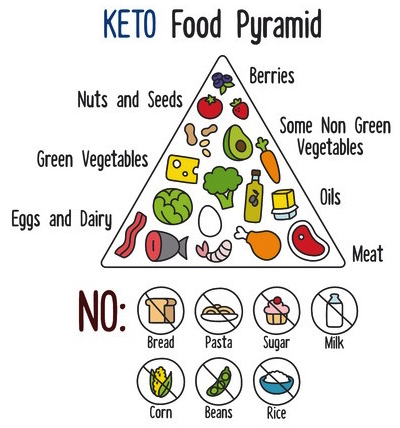
Having a well-stocked keto pantry is crucial for maintaining a successful ketogenic lifestyle. Fill your pantry with a variety of healthy fats such as avocados, olive oil, coconut oil, and nuts. Stock up on protein sources like grass-fed meats, poultry, seafood, and eggs. Additionally, ensure you have a selection of low-carb vegetables, herbs, and spices to add flavor and variety to your meals. It is also helpful to have keto-friendly snacks on hand for when cravings strike.
Meal Prepping for Success
Meal prepping can be a game-changer when following the Keto Diet. Set aside some time each week to plan and prepare your meals in advance. This can include batch cooking proteins, chopping vegetables, and portioning out your meals into containers. Having pre-made meals and snacks readily available can help you stay on track, especially during busy days when unhealthy food choices are tempting.
Foods to Eat on the Keto Diet
Healthy Fats
Healthy fats are the foundation of the Keto Diet. Include a variety of fats such as avocados, olive oil, coconut oil, nuts, seeds, and grass-fed butter in your daily meals. These fats provide energy, promote satiety, and support various bodily functions. Incorporating healthy fats into your meals is key to achieving and maintaining ketosis on the Keto Diet.
Protein Sources
Protein is an essential component of the Keto Diet as it supports muscle growth, repair, and overall health. Opt for high-quality protein sources such as grass-fed meats, pasture-raised poultry, wild-caught fish, and eggs. Incorporating protein into each meal can help you feel fuller and support your body’s needs while following the Keto Diet.
Low-Carb Vegetables
Low-carb vegetables are an excellent source of essential nutrients, fiber, and antioxidants while keeping your carbohydrate intake in check. Include vegetables such as leafy greens, broccoli, cauliflower, zucchini, asparagus, and bell peppers in your keto meals. These vegetables provide important vitamins and minerals without significantly impacting your blood sugar levels.
Berries and Other Low-Sugar Fruits
Although fruits are generally higher in carbohydrates, some berries and other low-sugar fruits can be enjoyed in moderation on the Keto Diet. Berries like raspberries, blackberries, and strawberries are relatively low in carbohydrates and can be incorporated as a sweet treat or added to keto-friendly desserts. Remember to consume them in moderation as part of your overall carbohydrate allowance.
Nuts and Seeds
Nuts and seeds are nutrient-dense foods that provide healthy fats, fiber, and micronutrients. Include options such as almonds, walnuts, chia seeds, flaxseeds, and pumpkin seeds in your keto diet. They make for convenient snacks, add texture to salads or recipes, and provide a satisfying crunch while keeping you satiated.
Dairy Products
Dairy products can be included in the Keto Diet, but it is essential to choose wisely and consider personal tolerance. Opt for full-fat dairy options such as cheese, butter, heavy cream, and Greek yogurt. Some individuals may choose to avoid dairy altogether due to lactose intolerance or personal preferences. Experiment and listen to your body to determine what works best for you.
Keto-Friendly Sweeteners
While sugar is strictly limited on the Keto Diet, there are alternatives available to satisfy your sweet tooth. Keto-friendly sweeteners such as stevia, erythritol, monk fruit, and allulose can be used in moderation to add sweetness to your beverages, recipes, or keto-friendly desserts. As with any food, it is important to read labels and choose brands that do not contain hidden carbohydrates.
Beverages to Enjoy
Staying hydrated is crucial on the Keto Diet. Water should be your primary beverage. Additionally, you can enjoy unsweetened herbal teas, black coffee, and sparkling water. Be cautious with beverages like fruit juices, regular sodas, or sweetened drinks, as they are typically high in sugar and carbohydrates. Remember to limit or avoid alcohol, as it can inhibit your weight loss progress and hinder ketosis.

This image is property of www.eatingwell.com.
Foods to Avoid on the Keto Diet
High-Carb Fruits
Some fruits are high in carbohydrates and should be avoided or consumed sparingly on the Keto Diet. Examples include bananas, oranges, apples, grapes, and tropical fruits like pineapples and mangoes. These fruits can quickly add up in terms of carbohydrates, potentially knocking you out of ketosis if consumed in large quantities.
Grains and Starches
Grains and starches are high in carbohydrates and not conducive to maintaining ketosis. Avoid foods like bread, pasta, rice, cereal, oats, and wheat-based products. Instead, opt for their low-carb alternatives like cauliflower rice, zucchini noodles, and coconut flour for baking.
Legumes
Legumes such as beans, lentils, chickpeas, and peas are relatively high in carbohydrates and can disrupt ketosis. It is best to avoid legumes on the Keto Diet, especially during the initial phase when you are trying to enter ketosis. However, some individuals may choose to include small amounts of legumes once they have established a stable state of ketosis.
Processed and Refined Foods
Processed and refined foods are typically high in additives, preservatives, and hidden sugars, making them unsuitable for the Keto Diet. Avoid foods like packaged snacks, processed meats, sugary cereals, and pre-packaged meals. These foods often contain unhealthy fats, excess carbohydrates, and artificial ingredients that can hinder your progress on the Keto Diet.
Sugar and Sweetened Products
Sugar is strictly limited on the Keto Diet, as it can spike blood sugar levels and hinder the process of ketosis. Avoid all forms of added sugars, including white sugar, brown sugar, honey, and maple syrup. Be mindful of hidden sugars in foods like condiments, sauces, and flavored drinks, opting for sugar-free alternatives whenever possible.
Unhealthy Fats and Oils
While healthy fats are a crucial part of the Keto Diet, it is important to avoid unhealthy fats and oils. This includes highly processed vegetable oils like soybean oil, sunflower oil, and canola oil, as they are high in omega-6 fatty acids and may contribute to inflammation. Opt for healthier alternatives like olive oil, avocado oil, coconut oil, and grass-fed butter.
Alcoholic Beverages
Alcoholic beverages should be consumed in moderation, if at all, on the Keto Diet. Most alcoholic drinks are high in carbohydrates and can impede ketosis. Alcoholic beverages also provide “empty” calories, meaning they offer no nutritional value. If you choose to have an occasional drink, opt for low-carb options like dry wine, spirits mixed with sugar-free mixers, or light beers in moderation.
Creating a Keto Meal Plan
Understanding Macronutrient Ratios
Creating a well-rounded and balanced keto meal plan starts with understanding macronutrient ratios. As mentioned earlier, the standard macronutrient distribution on the Keto Diet is often referenced as the “70/25/5” ratio – 70% of calories from fat, 25% from protein, and 5% from carbohydrates. However, individual needs may vary, and it is important to adjust these ratios based on factors such as activity level, age, and metabolic health.
Determining Caloric Intake
Calculating your caloric needs is an important aspect of building a keto meal plan. Start by determining your basal metabolic rate (BMR), which represents the number of calories your body needs to maintain basic bodily functions at rest. From there, factor in your activity level and weight goals to determine your overall caloric intake. By tracking and adjusting your caloric intake as needed, you can ensure that you are in a caloric deficit for weight loss or maintenance mode for weight maintenance.
Designing Balanced and Nutritious Meals
Designing balanced and nutritious meals on the Keto Diet involves incorporating a variety of foods from different food groups to ensure you are getting a wide range of nutrients. Aim for meals that include a source of healthy fat, a protein source, and a serving of low-carb vegetables. This combination will help you feel satisfied, provide essential macronutrients, and support overall health.
Meal Planning Tools and Resources
Meal planning tools and resources can simplify the process of creating a keto meal plan. Online recipe databases, meal planning apps, and cookbooks specifically tailored to the Keto Diet can provide inspiration and guidance. These resources often include pre-designed meal plans, shopping lists, and recipe recommendations, making it easier to navigate the keto lifestyle.
Sample Keto Meal Plans
To provide a starting point for your keto journey, here are a few sample meal plans:
Sample Meal Plan 1:
- Breakfast: Scrambled eggs cooked in butter with avocado slices.
- Lunch: Grilled chicken salad with mixed greens, cherry tomatoes, cucumbers, and olive oil dressing.
- Snack: Celery sticks with almond butter.
- Dinner: Baked salmon with roasted asparagus and a side of cauliflower rice.
- Dessert: Mixed berries with a dollop of whipped cream.
Sample Meal Plan 2:
- Breakfast: Mushroom and spinach omelet cooked in coconut oil.
- Lunch: Ground beef lettuce wraps with guacamole and a side of cucumber slices.
- Snack: Hard-boiled eggs.
- Dinner: Grilled steak with steamed broccoli and a side of mashed cauliflower.
- Dessert: Dark chocolate square.
These are just examples, and you can customize your meal plans according to your preferences and dietary needs.
This image is property of static1.squarespace.com.
Navigating Dining Out on Keto
Strategies for Eating Out
Eating out while following the Keto Diet can be challenging, but with the right strategies, it is possible to make keto-friendly choices. Researching the menu beforehand, selecting protein and vegetable-based dishes, and asking for modifications are effective strategies. Choose grilled or roasted options over breaded and fried foods, and opt for dressings and sauces on the side to control portion sizes.
Making Smart Menu Choices
When dining out on the Keto Diet, making smart menu choices is essential to keep your carbohydrate intake low. Look for dishes that include healthy fats and proteins, such as grilled meats, seafood, and salads with oil-based dressings. Avoid high-carb options like pasta, bread, rice, and sugary desserts. Don’t be afraid to ask questions or request substitutions to meet your keto needs.
Dealing with Social Pressure
Social pressure can make it challenging to stick to your ketogenic lifestyle, especially when dining out with friends or attending social events. It is important to remember your goals and the benefits of the Keto Diet. Communicate your dietary preferences and needs to your friends, family, and colleagues to avoid feeling pressured to break your keto commitments. You can also offer to bring a keto-friendly dish to gatherings to ensure there are options available for you.
Handling Food Temptations
Food temptations can be a regular occurrence while following the Keto Diet, particularly when dining out. To handle food temptations, remind yourself of your goals and the reasons why you chose the keto lifestyle. Focus on the delicious keto-friendly options available to you and practice mindful eating. If necessary, ask for support from friends, family, or online communities to help you stay on track.
Overcoming Challenges on the Keto Diet
Keto Flu and How to Minimize Its Symptoms
The “keto flu” refers to a collection of symptoms that some individuals experience during the initial phase of ketosis. These symptoms can include fatigue, headache, dizziness, nausea, and irritability. To minimize the symptoms of keto flu, ensure you are adequately hydrated, replenish your electrolytes, and gradually reduce your carbohydrate intake rather than making drastic changes overnight. Patience and proper self-care can help ease the transition into ketosis.
Managing Digestive Issues
Digestive issues may arise when transitioning to the Keto Diet due to the change in dietary habits. Common digestive issues include constipation, diarrhea, or changes in bowel movements. To manage these issues, prioritize fiber-rich foods like non-starchy vegetables, chia seeds, flaxseeds, and psyllium husk. Ensure you are drinking enough water and consider including bone broth or herbal teas to support digestive health.
Dealing with Food Cravings
Food cravings can be a challenge when following the Keto Diet, especially if you were accustomed to a higher-carbohydrate diet. To curb cravings, make sure you are consuming enough healthy fats and protein throughout the day to promote satiety. Include keto-friendly snacks, such as nuts, seeds, or cheese, to satisfy cravings without derailing your progress. Some individuals find that incorporating intermittent fasting can also help reduce cravings.
Staying Motivated and Consistent
Staying motivated and consistent on the Keto Diet can sometimes be difficult, especially if you encounter weight loss plateaus or challenges along the way. Find ways to stay connected to your goals, such as tracking your progress, celebrating non-scale victories, and surrounding yourself with a supportive community. Stay educated about the benefits of the Keto Diet and remind yourself of the positive changes you have experienced since starting your journey.
Troubleshooting Plateaus
Weight loss plateaus can be frustrating when following the Keto Diet. If you experience a plateau, there are several strategies you can try to overcome it. Evaluate your macronutrient ratios, review your portion sizes, consider adjusting your caloric intake, and incorporate intermittent fasting or targeted exercise to help jumpstart your weight loss again. Remember to focus on overall health improvements and not just the number on the scale.

This image is property of drdavinahseats.com.
Exercise and Physical Activity on Keto
Effects of Keto on Exercise Performance
When following the Keto Diet, it is normal to experience an initial decrease in exercise performance. This is because your body is transitioning from using glucose as its primary fuel source to utilizing ketones efficiently. However, once your body becomes keto-adapted, it can effectively utilize fat stores for energy during exercise. Many individuals on the Keto Diet report increased endurance and improved fat burning during activities like long-distance running or endurance training.
Different Types of Exercises on Keto
The Keto Diet can be compatible with a wide range of exercises, depending on individual preferences and goals. Both cardiovascular exercises, such as running, cycling, or swimming, and strength training exercises like weightlifting or bodyweight exercises can be effective on the Keto Diet. Incorporating a combination of aerobic and anaerobic exercises can help you maintain muscle mass, improve cardiovascular health, and support overall fitness goals.
Finding the Right Exercise Routine
Finding the right exercise routine for your ketogenic lifestyle involves understanding your personal fitness goals, preferences, and lifestyle factors. Experiment with different types of exercise and find activities that you enjoy and can maintain long-term. Consider consulting with a fitness professional or personal trainer who can help you design a routine that aligns with your specific needs and supports your ketogenic journey.
Pre- and Post-Workout Nutrition Strategies
Pre- and post-workout nutrition are essential components of an effective exercise routine. While the specific dietary needs may vary depending on factors such as the intensity and duration of the workout, it is generally recommended to consume a combination of healthy fats and proteins before exercising. Post-workout, aim to consume an adequate amount of protein to support muscle recovery and repair, alongside a small amount of carbohydrates if needed to replenish glycogen stores.
Maintaining a Healthy Keto Lifestyle
Transitioning to a Balanced Diet
While the Keto Diet can provide many short-term benefits, such as weight loss and improved energy levels, it is not meant to be a long-term, sustainable way of eating for everyone. Transitioning to a balanced diet that incorporates a wider range of macronutrients, including healthier carbohydrates and a moderate amount of fats, can be a worthwhile step. Work with a registered dietitian or nutritionist to create a well-rounded eating plan that supports your long-term health goals.
Cycling in and out of Ketosis
Cycling in and out of ketosis, also known as cyclical ketogenic dieting, is a strategy that some individuals choose to follow. This involves periodically reintroducing carbohydrates, typically on specific days or during certain periods, while keeping the majority of the diet low in carbohydrates and keto-friendly. This approach can provide variety and flexibility while still enjoying the potential benefits of ketosis.
Long-Term Sustainability
When considering any dietary approach, long-term sustainability is key. The Keto Diet may be a suitable option for some individuals in the short term, but it may not be ideal for everyone in the long run. Finding a dietary approach that is enjoyable, sustainable, and promotes overall health should be the ultimate goal. Experiment with different eating plans, seek guidance from qualified professionals, and prioritize finding a lifestyle that works best for you.
Potential Health Benefits Beyond Weight Loss
While weight loss is often the primary motivation for starting the Keto Diet, there are potential health benefits beyond shedding pounds. Research suggests that the Keto Diet may have metabolic and neurological benefits, such as improved insulin sensitivity, reduced inflammation, and enhanced brain function. Some studies also indicate potential benefits for certain medical conditions such as epilepsy, polycystic ovary syndrome (PCOS), and type 2 diabetes.
Seeking Ongoing Support and Education
Embarking on the Keto Diet can be a personal journey, but seeking ongoing support and education can be invaluable. Interacting with online communities, joining support groups, or seeking guidance from registered dietitians or nutritionists can provide you with the necessary knowledge, tips, and motivation to navigate the challenges and maintain a healthy keto lifestyle. Sharing experiences and learning from others can contribute to long-term success on the Keto Diet.
In conclusion, the Keto Diet is a low-carbohydrate, high-fat dietary approach that aims to shift the body into a metabolic state called ketosis. By significantly reducing carbohydrate intake and increasing healthy fat consumption, the Keto Diet encourages the body to burn fat for fuel, potentially leading to weight loss and other health benefits. While the diet may have potential risks and side effects, it offers numerous advantages and can be implemented through careful planning, meal preparation, and making deliberate food choices. Understanding ketosis, creating a keto meal plan, and developing strategies for dining out and overcoming challenges can contribute to a successful and sustainable keto lifestyle. Remember to consult with healthcare professionals when starting any new dietary regimen to ensure its safety and appropriateness for your individual needs.