
If you’ve been curious about the ketogenic diet but feel overwhelmed or confused by all the information out there, “Keto Diet For Dummies” offers a straightforward and accessible introduction to this popular eating plan. From understanding the basic principles behind ketosis to exploring the benefits and potential challenges of the keto diet, this article aims to demystify the topic and provide you with a solid foundation of knowledge. So whether you’re a complete beginner or just need a refresher, this article will guide you on your journey towards adopting a ketogenic lifestyle.

This image is property of Amazon.com.
What is the Keto Diet?
Definition of the Keto Diet
The Keto Diet, short for the ketogenic diet, is a low-carb, high-fat diet that aims to put your body in a metabolic state called ketosis. In this state, instead of using glucose from carbohydrates as its main source of energy, your body starts using ketones produced from fats. This shift in energy source has various benefits and potential health advantages, including weight loss, improved blood sugar control, increased energy levels, and enhanced mental clarity and focus.
How the Keto Diet Works
The Keto Diet works by drastically reducing your carbohydrate intake and replacing it with a higher proportion of fats. When you consume very few carbs, your body’s glycogen stores become depleted, leading to a drop in blood sugar levels. As a result, your body starts breaking down stored fats into ketones, which are then used as an alternative fuel source. By being in a state of ketosis, your body becomes more efficient at burning fat, which can lead to weight loss and other health benefits.
Benefits of the Keto Diet
- Weight Loss: One of the primary benefits of the Keto Diet is its ability to promote weight loss. By consuming fewer carbs and increasing fat intake, your body becomes a fat-burning machine and can shed excess weight.
- Improved Blood Sugar Control: The Keto Diet can be beneficial for individuals with diabetes or insulin resistance. By reducing carbohydrate intake, the need for insulin decreases, leading to better blood sugar control.
- Increased Energy Levels: Many individuals report increased energy and improved stamina on the Keto Diet. With a steady supply of ketones as fuel, your body can sustain prolonged energy levels without experiencing energy crashes associated with high-carb diets.
- Mental Clarity and Focus: The Keto Diet has been shown to improve cognitive function and mental clarity. The brain is fueled by ketones, and this alternative energy source can enhance brain function and concentration.
- Managed Hunger and Appetite: The high-fat content and low-carb nature of the Keto Diet are known to help people feel fuller for longer periods, reducing hunger cravings and the likelihood of overeating.
It is important to note that the benefits of the Keto Diet may vary from person to person, and consulting with a healthcare professional is highly recommended before starting any new dietary regimen.
Getting Started with the Keto Diet
Understanding Macronutrients
Macronutrients are the three essential components of a diet: carbohydrates, fats, and proteins. On the Keto Diet, the main focus is on significantly reducing carbohydrates while increasing healthy fat intake and consuming a moderate amount of protein.
Calculating Your Macronutrient Needs
To succeed on the Keto Diet, it is crucial to determine your specific macronutrient requirements. This calculation typically involves determining the optimal ratio of carbohydrates, fats, and proteins that will keep you in a state of ketosis. Online calculators and guidance from a healthcare professional can help you determine these ratios based on factors such as age, gender, weight, and activity level.
Creating a Meal Plan
Creating a meal plan is essential for proper adherence to the Keto Diet. A well-planned menu helps ensure you consume the right balance of macronutrients and maintain your desired state of ketosis. It is advisable to consult resources such as the Keto Diet for Dummies book or seek guidance from a registered dietitian to design a meal plan that suits your specific dietary preferences and needs.

This image is property of www.hellospoonful.com.
Foods to Include on the Keto Diet
Healthy Fats
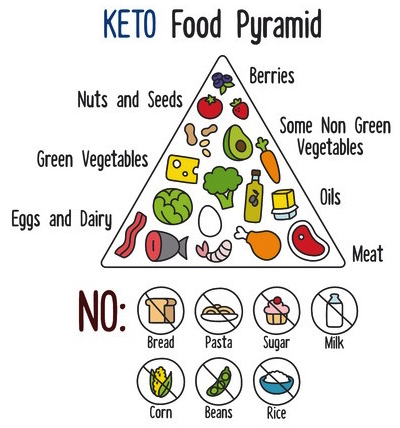
Healthy fats play a crucial role in the Keto Diet as they provide the majority of your daily calorie intake. Examples of healthy fats to include in your diet are avocados, olive oil, coconut oil, nuts, and seeds. These fats not only provide energy but also offer essential nutrients and promote satiety.
Low-Carb Vegetables
Low-carb vegetables are an important component of the Keto Diet as they provide essential vitamins, minerals, and fiber while keeping carbohydrate intake in check. Examples of low-carb vegetables include spinach, broccoli, cauliflower, zucchini, and bell peppers.
Protein Sources
While protein intake should be moderate on the Keto Diet, it plays a crucial role in maintaining muscle mass and supporting various bodily functions. Good sources of protein that are low in carbs include poultry, fish, eggs, and tofu.
Dairy Products
Dairy products can be included in the Keto Diet, but it is essential to choose wisely and opt for full-fat options. These can include cheese, cottage cheese, Greek yogurt, and heavy cream. However, individuals who are lactose intolerant or have specific dietary restrictions may need to explore alternative options.
Nuts and Seeds
Nuts and seeds are fantastic sources of healthy fats, fiber, and micronutrients. Almonds, walnuts, chia seeds, and flaxseeds are popular choices for those following the Keto Diet. However, portion control is crucial as they are also high in calories.
Beverages
Water should be the primary beverage of choice on the Keto Diet. Staying well-hydrated is essential to support overall health and promote proper bodily functions. Additionally, you can enjoy unsweetened tea and coffee, as well as sugar-free beverages and sparkling water.
Foods to Avoid on the Keto Diet
High-Carb Foods
To maintain a state of ketosis, it is important to avoid high-carb foods. These include grains, bread, pasta, rice, potatoes, and sugary snacks. Eliminating these foods is crucial for the Keto Diet, as they can quickly undo the progress achieved through carb restriction.
Sugar and Sweeteners
Sugar and sweeteners, including natural ones like honey and maple syrup, should be strictly avoided on the Keto Diet. They can spike blood sugar levels and hinder the body’s fat-burning abilities. Opt for sugar substitutes like stevia or erythritol if you need to satisfy your sweet tooth.
Processed and Packaged Foods
Processed and packaged foods are often high in hidden sugars, unhealthy fats, and additives, making them unsuitable for the Keto Diet. These include most pre-packaged snacks, fast food, and sugary beverages.
Grains and Starches
Grains like wheat, barley, and oats, as well as starchy vegetables like corn and peas, should be avoided or consumed in very limited quantities on the Keto Diet. These foods are rich in carbohydrates, which can disrupt ketosis and hinder your progress.
Fruit
While fruit may be considered healthy, most fruits are relatively high in natural sugars, which can potentially hinder the desired state of ketosis. It is important to limit your fruit intake on the Keto Diet and choose lower-sugar options like berries.
Legumes and Beans
Legumes and beans, including lentils, chickpeas, and kidney beans, are high in carbohydrates and can interfere with ketosis. These should be avoided or eaten in moderation on the Keto Diet.
Alcohol
Alcoholic beverages can hinder the Keto Diet due to their high sugar and carbohydrate content. Most alcoholic drinks, such as beer and sweet cocktails, are not compatible with ketosis. If you choose to consume alcohol, opt for low-carb options like dry wines or spirits mixed with calorie-free mixers.

This image is property of www.eatingwell.com.
Meal Planning and Recipes
Creating a Weekly Meal Plan
Creating a weekly meal plan is a key aspect of successfully following the Keto Diet. This involves designing a schedule that incorporates balanced meals while adhering to macronutrient ratios. A well-thought-out meal plan helps ensure variety in your diet, promotes adherence, and saves time on decision-making throughout the week.
Keto-Friendly Breakfast Ideas
Some delicious and satisfying keto-friendly breakfast ideas include:
- Spinach and feta omelet with avocado
- Bacon and eggs with sautéed mushrooms
- Chia seed pudding with coconut milk and berries
Keto-Friendly Lunch Ideas
Here are some tasty keto-friendly lunch ideas:
- Grilled chicken Caesar salad with Parmesan cheese and olive oil dressing
- Turkey lettuce wraps filled with avocado, bacon, and mayo
- Baked salmon with roasted asparagus and lemon butter sauce
Keto-Friendly Dinner Ideas
For a satisfying keto-friendly dinner, consider these options:
- Steak with garlic butter and roasted Brussels sprouts
- Eggplant lasagna with ground beef, cheese, and marinara sauce
- Grilled salmon with avocado salsa and cauliflower rice
Keto-Friendly Snack Ideas
To keep hunger at bay, try these keto-friendly snack ideas:
- Celery sticks with almond butter
- Hard-boiled eggs
- Cheesy baked zucchini chips
Keto-Friendly Dessert Ideas
For a sweet treat on the Keto Diet, consider these dessert ideas:
- Keto-friendly chocolate mousse made with heavy cream and dark chocolate
- Raspberry chia seed pudding with coconut cream
- Peanut butter cookies made with almond flour and sugar substitute
Tips for Success on the Keto Diet
Stay Hydrated
Proper hydration is vital on the Keto Diet. Drinking enough water helps support various bodily functions, promotes digestion, and can help alleviate symptoms of the “keto flu.”
Track Your Macros
Tracking your macros, or macronutrients, is essential for success on the Keto Diet. Utilize mobile apps or online tools to track your daily carbohydrate, fat, and protein intake to ensure you stay within your desired ranges.
Incorporate Exercise
While not mandatory for success on the Keto Diet, incorporating regular exercise can enhance weight loss, improve physical fitness, and support overall wellness. Consult with a healthcare professional before starting any exercise regimen.
Manage Electrolyte Levels
Reducing carbohydrate intake on the Keto Diet can cause a loss of electrolytes, leading to symptoms such as muscle cramps, fatigue, and headaches. To prevent this, ensure you consume adequate amounts of electrolytes through food or electrolyte supplements.
Get Enough Sleep
Adequate sleep is essential for overall health and can support weight loss efforts. Aim for seven to nine hours of quality sleep each night to promote optimal physical and mental well-being.
Meal Prep and Batch Cooking
Meal prepping and batch cooking can significantly simplify your keto journey. Plan and prepare meals in advance to ensure you always have keto-friendly options readily available, especially during busy periods.
Seek Support and Accountability
Finding a support system or an accountability partner can help you stay motivated and on track with your Keto Diet goals. Join online communities, attend local support groups, or enlist the help of a friend or family member.
Manage Keto Flu Symptoms
When transitioning to the Keto Diet, you may experience symptoms commonly referred to as the “keto flu.” These can include fatigue, headaches, irritability, and sugar cravings. Staying hydrated, getting enough electrolytes, and gradually reducing carbohydrate intake can help alleviate these symptoms.
This image is property of static1.squarespace.com.
Common Misconceptions about the Keto Diet
Keto is a High-Protein Diet
Contrary to popular belief, the Keto Diet is not a high-protein diet. It emphasizes moderate protein intake and places greater emphasis on consuming healthy fats and restricting carbohydrates.
Keto is Unhealthy
Many mistakenly believe that the high-fat nature of the Keto Diet makes it unhealthy. However, research suggests that when followed correctly, the Keto Diet can be a safe and effective way to achieve weight loss and improve various health markers.
All Fats are Good on Keto
While the Keto Diet emphasizes the consumption of healthy fats, not all fats are created equal. It is crucial to prioritize sources of healthy fats, such as those found in avocados, nuts, and olive oil, while avoiding unhealthy and heavily processed fats.
Keto is Only for Weight Loss
Although weight loss is a common goal of the Keto Diet, it is not its sole purpose. The diet can also be beneficial for individuals with diabetes, epilepsy, and certain neurological conditions. It may also have other health benefits, as mentioned earlier.
Keto is Too Restrictive
While the Keto Diet does involve certain restrictions, such as limiting carbohydrates, there is still a wide range of delicious and nutritious foods that can be enjoyed. With careful meal planning and creativity, the Keto Diet can offer a variety of flavorful options.
Adjusting to the Keto Lifestyle
Understanding Keto Adaptation
Keto adaptation refers to the process by which your body becomes efficient at burning fat for fuel instead of carbohydrates. This metabolic shift typically takes a few weeks, during which you may experience some initial challenges as your body adjusts to the new fuel source.
Dealing with Carb Cravings
Carb cravings are common when transitioning to the Keto Diet. To manage cravings, ensure you are consuming sufficient healthy fats and staying hydrated. Gradually reducing carbohydrate intake and substituting with keto-friendly alternatives can also help curb cravings over time.
Managing Social Situations
Social events and gatherings may present challenges when following the Keto Diet. To navigate such situations, communicate your dietary needs with friends and family in advance and offer to bring a keto-friendly dish. You can also scout out menu options in restaurants that align with the principles of the Keto Diet.
Eating Out on Keto
Eating out while following the Keto Diet can be challenging but not impossible. Look for restaurants that offer customizable options, such as ordering a salad with a protein source and dressing on the side. Additionally, do not shy away from asking for ingredient substitutions or modifications to suit your dietary requirements.

This image is property of www.wholesomeyum.com.
Health Benefits and Risks of the Keto Diet
Weight Loss
The Keto Diet has gained popularity due to its potential for significant weight loss. By reducing carbohydrate intake and inducing ketosis, the body becomes more efficient at burning stored fats, resulting in weight loss over time.
Improved Blood Sugar Control
For individuals with diabetes or prediabetes, the Keto Diet may help improve blood sugar control. By limiting carbohydrate intake, the need for insulin decreases, which can lead to more stable blood sugar levels.
Increased Energy Levels
Many individuals report increased energy levels and improved stamina on the Keto Diet. By utilizing fat as the primary fuel source, the body can sustain energy levels throughout the day, reducing the risk of energy crashes associated with high-carb diets.
Mental Clarity and Focus
Another potential benefit of the Keto Diet is improved mental clarity and focus. The brain can efficiently utilize ketones for fuel, leading to enhanced cognitive function and increased concentration.
Managed Hunger and Appetite
The high-fat and moderate-protein content of the Keto Diet can help manage hunger and reduce food cravings. This can lead to better appetite control and assist with weight management.
Potential Side Effects and Risks
It is important to note that the Keto Diet may not be suitable for everyone. Some individuals may experience side effects such as “keto flu” symptoms, which can include fatigue, irritability, and digestive issues. Additionally, the diet may not be appropriate for individuals with certain medical conditions, such as gallbladder disease or pancreatic issues. It is always advisable to consult with a healthcare professional before embarking on the Keto Diet to ensure it is safe and appropriate for your individual circumstances.
Consulting with a Healthcare Professional
Importance of Medical Advice
Before starting any new diet, especially one as specific as the Keto Diet, it is crucial to consult with a healthcare professional. They can provide personalized guidance, evaluate your current health status, and assess any potential risks or contraindications.
Preexisting Conditions and Keto
Individuals with preexisting medical conditions, such as diabetes, heart disease, or kidney problems, should exercise caution and seek medical advice before starting the Keto Diet. Special considerations and adjustments may be required to ensure optimal health and safety.
Medication Adjustments
The Keto Diet can potentially affect the efficacy or dosage of certain medications. It is essential to consult with a healthcare professional regarding any necessary adjustments or monitoring requirements if you are taking medication.
Supplement Recommendations
Depending on your specific nutritional needs, a healthcare professional may recommend certain supplements to support your body’s requirements on the Keto Diet. Typical supplements individuals may consider include electrolytes, vitamins, and minerals.
Lab Tests and Monitoring
Regular monitoring and lab tests may be necessary when following the Keto Diet to ensure optimal health and safety. A healthcare professional can advise on which tests may be required and how often they should be performed.
In conclusion, the Keto Diet, with its focus on low-carb, high-fat eating, can be a valuable tool for weight loss, improving blood sugar control, increasing energy levels, enhancing mental clarity, and managing hunger and appetite. Understanding macronutrients, planning meals, and selecting suitable food choices are essential for success on the diet. While there are some misconceptions and potential risks associated with the Keto Diet, consulting with a healthcare professional is crucial to ensure the diet is compatible with individual needs and medical conditions. With proper guidance and a well-designed meal plan, the Keto Diet can be a rewarding and effective approach to achieve your health and wellness goals.