
Imagine finally finding a dietary plan that can help you achieve your health and weight goals, while still being able to enjoy delicious and satisfying meals. If you’ve ever been curious about the ketogenic diet, but found the concept overwhelming or confusing, fear not! This article aims to provide you with a comprehensive understanding of the “Keto Diet For Dummies”. Whether you’re a beginner or simply seeking clarity, you’ll soon be equipped with the knowledge you need to embark on a successful journey towards a healthier, happier you.

This image is property of Amazon.com.
Understanding the Basics of the Keto Diet
What is the Keto Diet?
The Keto Diet, short for ketogenic diet, is a low-carb, high-fat diet that has gained popularity due to its ability to promote weight loss and improve certain health conditions. The main premise of the diet is to drastically reduce your carbohydrate intake and replace it with fat. By doing so, your body enters a metabolic state called ketosis, where it relies on fat as its primary source of fuel instead of carbohydrates.
How Does the Keto Diet Work?
When you restrict carbohydrates in your diet, your body starts to break down fat into molecules called ketones. These ketones are then utilized by your cells for energy production. By relying on fat for fuel instead of glucose derived from carbohydrates, the body enters a state of ketosis.
In addition to weight loss, the Keto Diet has shown to provide various health benefits. It helps stabilize blood sugar levels and can be beneficial for individuals with diabetes or insulin resistance. It also helps to improve mental clarity and productivity, as the brain performs better when fueled by ketones. Additionally, the Keto Diet has potential therapeutic effects on conditions such as epilepsy, polycystic ovary syndrome (PCOS), and certain types of cancer.
Benefits of the Keto Diet
- Weight Loss: The Keto Diet can be highly effective for weight loss. By reducing your carbohydrate intake and increasing your fat consumption, you can experience rapid and sustainable weight loss. The diet helps suppress appetite, stabilize blood sugar levels, and enhance fat burning.
- Improved Mental Focus: Many individuals following the Keto Diet report increased mental clarity and focus. This is because ketones are a more efficient fuel source for the brain, enhancing cognitive function and improving productivity.
- Increased Energy Levels: When your body relies on fat for energy production, your energy levels become more stable throughout the day. This is in contrast to the peaks and crashes experienced with high-carbohydrate diets.
- Reduced Inflammation: The Keto Diet has been shown to have anti-inflammatory effects, which can be beneficial for individuals with conditions such as arthritis, acne, and other inflammatory diseases.
- Better Heart Health: The Keto Diet has been associated with improvements in various heart disease risk factors, including lower levels of LDL cholesterol, triglycerides, and blood pressure. It can also increase levels of HDL cholesterol, the “good” cholesterol.
Side Effects and Precautions
While the Keto Diet can offer numerous benefits, it is important to be aware of potential side effects and take necessary precautions:
- Keto Flu: When transitioning to the Keto Diet, some individuals may experience symptoms known as the “keto flu.” These can include fatigue, headache, irritability, and nausea. These symptoms typically subside within a few days or weeks as the body adapts to using fat as its primary fuel source.
- Nutrient Deficiencies: Since the Keto Diet restricts certain food groups, such as fruits, whole grains, and beans, it is crucial to ensure you are getting all the necessary nutrients. It is recommended to consume a variety of nutrient-dense foods and consider supplementation if needed.
- Electrolyte Imbalance: The Keto Diet can affect electrolyte levels, leading to imbalances. It is important to maintain proper hydration and ensure adequate intake of electrolytes such as sodium, potassium, and magnesium.
- Digestive Issues: Some individuals may experience digestive issues when starting the Keto Diet, such as constipation, diarrhea, or changes in bowel movements. Increasing fiber intake and staying hydrated can help alleviate these symptoms.
- Potential for Nutritional Ketosis: Achieving and maintaining a state of nutritional ketosis can be challenging. It requires strict adherence to the diet’s macronutrient ratios and monitoring your food intake. It is advisable to consult with a healthcare professional or a registered dietitian before starting the Keto Diet to ensure it is suitable for your specific needs and health conditions.
Getting Started with the Keto Diet
Setting Realistic Goals
Before embarking on any dietary journey, it is essential to set realistic goals. Determine what you want to achieve with the Keto Diet, whether it is weight loss, improved health markers, or increased energy levels. Set specific, measurable, attainable, relevant, and time-bound (SMART) goals to keep yourself motivated and on track.
Calculating Your Macronutrient Ratios
To follow the Keto Diet, you need to determine your macronutrient ratios. The typical ratios are approximately 75% fat, 20% protein, and 5% carbohydrates. These percentages may vary based on individual goals and needs. Use online calculators or consult a registered dietitian to calculate your specific macronutrient needs.
Creating a Meal Plan
Meal planning is crucial to ensure you stay on track with your Keto Diet. Plan your meals and snacks in advance to avoid impulsive food choices. Focus on incorporating high-fat foods, moderate amounts of protein, and low-carb vegetables into your meals. Include a variety of foods to meet your nutritional needs while maintaining ketosis.
Stocking Your Pantry
One of the keys to successfully following the Keto Diet is having a well-stocked pantry. Fill your kitchen with keto-friendly foods such as avocados, eggs, grass-fed meats, fatty fish, nuts, and seeds. It is also beneficial to have low-carb condiments and spices on hand to add flavor to your meals.
Gathering Essential Tools and Resources
To make your keto journey easier, gather essential tools and resources. Invest in a good food scale to accurately measure your portions. Consider purchasing a blood ketone meter to monitor your ketone levels. Stock up on keto cookbooks, online resources, and support groups to stay motivated and inspired.

This image is property of www.hellospoonful.com.
Foods to Eat on the Keto Diet
High-Fat Foods
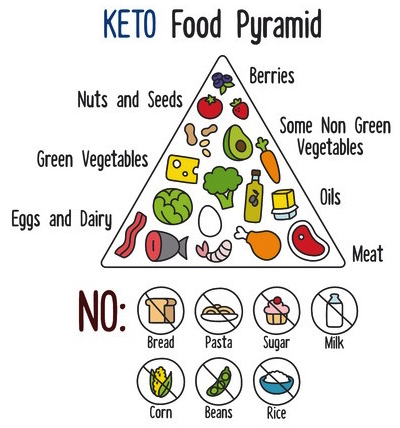
The foundation of the Keto Diet lies in consuming high-fat foods. Include sources such as avocados, olive oil, coconut oil, butter, ghee, and fatty cuts of meat. These foods provide the necessary fuel for your body to enter and maintain ketosis.
Low-Carb Vegetables
Most non-starchy vegetables are low in carbohydrates and can be enjoyed on the Keto Diet. Opt for leafy greens like spinach and kale, cruciferous vegetables like broccoli and cauliflower, and other low-carb options such as zucchini, bell peppers, and asparagus.
Protein Sources
Protein is an essential part of any diet, including the Keto Diet. Choose quality protein sources like eggs, poultry, fish, grass-fed beef, and pork. Be mindful of your protein intake, as excessive protein consumption can hinder ketosis.
Dairy and Dairy Alternatives
Full-fat dairy products and dairy alternatives can be consumed on the Keto Diet. Opt for options like cheese, Greek yogurt, heavy cream, and unsweetened nut milk. Be cautious of flavored or sweetened versions, as they may contain added sugars or higher carbohydrate content.
Healthy Fats and Oils
In addition to the high-fat foods mentioned earlier, incorporate other healthy fats and oils into your diet. These include nuts, seeds, nut butters, avocados, and extra virgin olive oil. These fats provide essential nutrients and help you feel satisfied.
Nuts and Seeds
Nuts and seeds are excellent sources of healthy fats, fiber, and micronutrients. Include varieties like almonds, walnuts, chia seeds, flaxseeds, and sunflower seeds in your diet. Be mindful of portion sizes, as they can be calorie-dense.
Herbs and Spices
Herbs and spices are a great way to add flavor to your keto meals without adding extra carbohydrates. Experiment with options like basil, cilantro, oregano, garlic, and turmeric to enhance the taste of your dishes.
Beverages
Water should be your primary beverage on the Keto Diet. However, you can also enjoy unsweetened tea, coffee, and sparkling water. Avoid sugary beverages, juices, and alcohol, as they can impair ketosis and hinder your progress.
Foods to Avoid on the Keto Diet
High-Carb Foods
To stay in ketosis, it is crucial to avoid high-carb foods. These include grains (such as wheat, rice, and oats), starchy vegetables (like potatoes and corn), and high-sugar fruits (such as bananas and grapes).
Processed and Packaged Foods
Processed and packaged foods often contain hidden sugars, unhealthy fats, and high-carbohydrate ingredients. Avoid items like chips, cookies, candies, and pre-packaged meals, as they can sabotage your ketosis and hinder your progress.
Grains and Starches
Grains and starches are high in carbohydrates and can quickly derail your ketosis. Stay away from foods like bread, pasta, rice, cereal, and other grain-based products.
Legumes and Beans
Legumes and beans contain significant amounts of carbohydrates and can be problematic for maintaining ketosis. Avoid foods like lentils, chickpeas, black beans, and kidney beans.
Sugary Foods and Sweeteners
Sugary foods and sweeteners should be avoided on the Keto Diet. These include sugar-laden desserts, soda, fruit juices, honey, maple syrup, and artificial sweeteners. They can spike blood sugar levels and hinder the fat-burning process.

This image is property of www.eatingwell.com.
Meal Planning and Recipes
Creating Balanced and Nutritious Meals
When planning your meals on the Keto Diet, ensure they are balanced and nutritious. Aim for a combination of healthy fats, quality protein sources, and low-carb vegetables. Include a wide variety of ingredients and experiment with different cooking methods and flavors to keep your meals exciting and satisfying.
Sample Meal Plan for Beginners
Here is a sample one-day meal plan to give you an idea of how to structure your meals on the Keto Diet:
- Breakfast: Spinach and mushroom omelet cooked in olive oil with a side of avocado.
- Snack: Handful of mixed nuts.
- Lunch: Grilled chicken breast with roasted asparagus and a side of cauliflower rice.
- Snack: Celery sticks dipped in almond butter.
- Dinner: Baked salmon with lemon butter sauce served with sautéed spinach.
- Dessert: Berries topped with whipped cream (made from heavy cream).
Quick and Easy Keto Recipes
Here are a few quick and easy recipes you can try on the Keto Diet:
- Bacon-Wrapped Avocado: Wrap strips of bacon around avocado halves and bake until crispy.
- Cauliflower Crust Pizza: Make a low-carb pizza crust using cauliflower, cheese, and almond flour. Top with your favorite keto-friendly toppings.
- Keto Chicken Stir-Fry: Sauté chicken breast in coconut oil with low-carb vegetables like bell peppers, broccoli, and zucchini. Season with soy sauce or coconut aminos.
- Keto Fat Bombs: Mix softened cream cheese, almond butter, and a sugar substitute. Roll into small balls and chill. These make for a satisfying and energizing snack.
Keto-Friendly Snack Ideas
When following the Keto Diet, it’s important to have convenient and satisfying snack options. Here are a few keto-friendly snack ideas:
- Hard-boiled eggs
- Cheese cubes or slices
- Olives
- Pork rinds
- Beef or turkey jerky (watch out for added sugars)
- Celery sticks with cream cheese or peanut butter
- Cucumber slices with guacamole
Tracking and Monitoring Your Progress
Importance of Tracking
Tracking your progress is vital to see how the Keto Diet is working for you. Keep a record of your meals, macronutrient intake, exercise routine, and how you feel physically and mentally. This helps you identify any patterns, adjust your diet if needed, and stay accountable.
Measuring Ketone Levels
Monitoring your ketone levels can indicate whether you are in a state of ketosis. There are various ways to measure ketones, including urine strips, blood ketone meters, and breath analyzers. Choose the method that works best for you and monitor your ketone levels regularly.
Weighing and Measuring Food
To accurately track your macronutrient intake, it is important to weigh and measure your food. Invest in a reliable food scale and measuring cups/spoons to ensure you are consuming the appropriate portion sizes. This level of precision helps you maintain ketosis and reach your goals.
Keeping a Food Journal
Keeping a food journal can help you identify any triggers or patterns in your eating habits. Write down everything you eat, along with the portion sizes and any additional notes about how certain foods make you feel. This helps you make informed decisions about your diet and make adjustments as needed.
Fitness and Exercise Tracking
Incorporating regular exercise into your routine is beneficial for overall health and can enhance your keto journey. Keep track of your exercise sessions, including the type of activity, duration, and intensity. This helps you stay motivated, monitor your progress, and adjust your workouts as needed.
This image is property of static1.squarespace.com.
Troubleshooting Common Challenges
Keto Flu and How to Overcome It
The keto flu is a common temporary side effect experienced by some individuals when transitioning to the Keto Diet. To overcome it, make sure you are adequately hydrated, replenish your electrolytes, and consume sufficient healthy fats. Gradually reduce your carbohydrate intake instead of going cold turkey to minimize the severity of symptoms.
Dealing with Cravings and Hunger
Cravings and hunger pangs can be challenging to navigate on the Keto Diet. To deal with them, ensure you are consuming enough healthy fats and protein to keep you feeling satisfied. Drink plenty of water and consider incorporating low-carb snacks into your diet. Distract yourself with other activities or find keto-friendly alternatives to satisfy your cravings.
Socializing and Dining Out on Keto
Socializing and dining out can be tricky on the Keto Diet, but it is not impossible. Choose restaurants that offer keto-friendly options and study the menu in advance. Look for grilled meats, salads with full-fat dressings, and vegetable sides. If needed, request modifications to fit your dietary requirements. Stay prepared by bringing keto-friendly snacks or eating a small meal/snack before attending social events.
Traveling and Keto Diet
Maintaining the Keto Diet while traveling requires some planning and preparation. Research keto-friendly options at your travel destination and pack portable snacks like nuts, jerky, or keto bars. Consider staying in accommodations with kitchen facilities to prepare your own meals. If eating out, focus on protein and vegetable-based options. Stay hydrated and be mindful of portion sizes.
Plateaus and Weight Loss Challenges
Experiencing weight loss plateaus can be frustrating, but they are normal and can happen on any diet. To overcome plateaus, consider reviewing your macronutrient ratios, adjusting portion sizes, and incorporating intermittent fasting. Ensure you are consuming a calorie deficit and keep up with exercise to stimulate fat burning. Stay patient and consistent, as your body may take time to adapt and continue progressing.
Maintaining a Healthy Lifestyle with Keto
Exercise and Physical Activity
Regular exercise is an essential component of maintaining a healthy lifestyle with the Keto Diet. Engage in a combination of cardiovascular workouts (like brisk walking or cycling) and strength training. Aim for at least 150 minutes of moderate-intensity exercise per week and incorporate activities you enjoy.
Importance of Hydration
Proper hydration is crucial for overall health and on the Keto Diet. Drink an adequate amount of water throughout the day to stay hydrated. Aim for at least 8 cups (64 ounces) of water daily, but adjust according to your activity level and climate.
Getting Quality Sleep
Quality sleep is essential for optimal health and weight management. Aim for 7-9 hours of uninterrupted sleep each night. Create a calm and comfortable sleep environment, establish a bedtime routine, and avoid stimulating activities before bed. Quality sleep helps regulate hormones, supports recovery, and promotes overall well-being.
Stress Management
Stress can hinder your progress on the Keto Diet and impact your overall health. Implement stress management techniques such as meditation, deep breathing exercises, yoga, or engaging in hobbies you enjoy. Prioritize self-care and make time for activities that help you relax and unwind.
Balancing Macronutrients
Maintaining a balance in your macronutrient intake is crucial on the Keto Diet. Ensure you are consuming enough healthy fats, moderate levels of protein, and keeping your carbohydrate intake low. Individual needs may vary, so pay attention to your body’s signals and adjust your macronutrient ratios accordingly.

This image is property of Amazon.com.
Supplements and Supportive Therapies
Understanding Keto Supplements
While the Keto Diet focuses on obtaining nutrients from whole foods, certain supplements can complement your dietary intake. Consult with a healthcare professional or registered dietitian to determine which supplements, if any, are suitable for your specific needs. Common supplements include electrolytes, omega-3 fatty acids, and vitamin D.
Electrolyte Replenishment
The Keto Diet can affect electrolyte levels, so it is important to replenish them. Consider supplementing electrolytes such as sodium, potassium, and magnesium to prevent imbalances and symptoms like fatigue, muscle cramps, or dizziness. Consume electrolyte-rich foods or use electrolyte supplements as recommended.
Digestive Health Supplements
Some individuals may experience digestive issues when starting the Keto Diet. Consider supplements like probiotics or digestive enzymes to support gut health and alleviate any discomfort. These supplements can promote proper digestion and nutrient absorption.
Supplements for Nutrient Deficiencies
Since the Keto Diet restricts certain food groups, it is important to ensure you are not lacking essential nutrients. Your healthcare professional may recommend specific supplements to address any nutrient deficiencies that may arise from your dietary choices.
Seeking Professional Guidance
Seeking professional guidance is highly recommended before starting the Keto Diet. A registered dietitian or healthcare professional can provide personalized advice, answer your specific questions, and monitor your progress. They can also help you create a tailored meal plan, track your nutrient intake, and address any health concerns.
Conclusion
The Keto Diet can be an effective way to achieve weight loss, improve health markers, and enhance overall well-being. By understanding the basics of the Keto Diet, getting started with a solid plan, and incorporating a variety of keto-friendly foods into your meals, you can embark on a successful keto journey. Remember to track your progress, troubleshoot challenges, maintain a healthy lifestyle, and seek professional guidance when needed. Stay committed, stay informed, and enjoy the benefits of the Keto Diet!