
Have you ever wondered how to effectively remove blackheads at home? Well, you’re in luck because today we are going to dive into the world of DIY blackhead removers. Whether you’re dealing with stubborn blackheads or just want to improve the appearance of your skin, this comprehensive guide will provide you with all the information you need.
First up, let’s talk about some popular store-bought options. Biore offers a range of products specifically designed to tackle blackheads, such as their Charcoal Acne Cleaner and Rose Quartz + Charcoal Daily Face Wash. These products contain ingredients like charcoal, known for its ability to draw out impurities and unclog pores. Another popular option is the Biore Charcoal Deep Cleansing Pore Strips, which help remove dirt and oil from deep within the pores.
But what if you prefer a more natural approach? Look no further than the DIY blackhead removers. From homemade scrubs to pore strips made with ingredients from your pantry, there are plenty of options to explore. In our upcoming article, we will delve into some of the most effective DIY remedies and provide detailed step-by-step instructions. So stay tuned and get ready to say goodbye to those pesky blackheads!
DIY Blackhead Remover: A Comprehensive Guide
Are pesky blackheads ruining your otherwise flawless complexion? Blackheads are a common skin concern that can be both unsightly and frustrating to deal with. Luckily, there are numerous DIY methods and remedies that can help you effectively remove blackheads in the comfort of your own home. In this guide, we will explore the benefits of using a DIY blackhead remover, the ingredients you can use, various methods, step-by-step instructions, and alternative techniques. Say goodbye to those stubborn blackheads and hello to clear and healthy skin!

Why Use a DIY Blackhead Remover
Benefits of DIY Blackhead Remover
Using a DIY blackhead remover offers several advantages over commercial products. Firstly, it is cost-effective. Most DIY methods involve ingredients that can be found in your kitchen or easily purchased at a low cost. This means you won’t have to spend a fortune on expensive skincare products. Secondly, DIY blackhead removers are often natural and free from harmful chemicals. Commercial products can sometimes contain harsh ingredients that may irritate your skin or cause allergic reactions. By opting for a DIY approach, you have control over what goes onto your skin, ensuring a safer and gentler experience.
Avoiding Harmful Chemicals in Commercial Products
Many commercial blackhead removers contain ingredients that can be harmful to your skin and overall health. Some products may contain alcohol, sulfates, or parabens, which can strip your skin of its natural oils and cause dryness or irritation. DIY blackhead removers, on the other hand, are often made with natural ingredients that are gentle and nourishing for your skin. You can skip the chemicals by using ingredients that you already have in your pantry or refrigerator, making it a safer and more eco-friendly choice.
Understanding Blackheads
What are Blackheads
Blackheads are small bumps that appear on the skin due to clogged hair follicles. They are a type of acne known as open comedones, characterized by their dark appearance. These tiny black or yellowish spots are caused by the oxidation of sebum, dead skin cells, and bacteria trapped within the hair follicles. Blackheads commonly occur on the face, particularly in the T-zone (forehead, nose, and chin), but they can also appear on other parts of the body such as the back or chest.
Causes of Blackheads
Several factors contribute to the formation of blackheads. One of the main causes is excess sebum production. When your skin produces too much oil, it can mix with dead skin cells and bacteria, clogging the hair follicles and leading to blackheads. Hormonal changes, such as during puberty or menstruation, can increase sebum production and make you more prone to blackheads. Other factors include improper skincare, use of heavy cosmetics, and certain medications.
Difference between Blackheads and Whiteheads
Blackheads and whiteheads are similar in nature but have a slight difference in appearance. While blackheads are open and exposed to air, whiteheads are closed comedones that remain trapped beneath the skin’s surface. Whiteheads appear as small, white or flesh-colored bumps and are caused by a similar accumulation of dead skin cells, sebum, and bacteria. The difference in color is due to the absence of oxidation in whiteheads since they are not exposed to air.


Ingredients for DIY Blackhead Remover
Natural Ingredients for DIY Blackhead Remover
When it comes to DIY blackhead removers, you have a wide array of natural ingredients at your disposal. Some popular choices include:
- Baking Soda: This common household ingredient is excellent for exfoliating dead skin cells and unclogging pores.
- Honey: With its antibacterial properties, honey can help cleanse pores and moisturize your skin.
- Lemon Juice: The acidity in lemon juice can help dissolve blackheads and tighten pores.
- Tea Tree Oil: Known for its antimicrobial and anti-inflammatory properties, tea tree oil can combat blackheads and prevent future breakouts.
- Apple Cider Vinegar: This natural toner helps balance your skin’s pH levels and tighten pores, reducing the appearance of blackheads.
Common Kitchen Ingredients for DIY Blackhead Remover
You don’t need to look further than your kitchen to find effective ingredients for DIY blackhead removers. Some common kitchen items that can be used include:
- Oatmeal: A gentle exfoliant, oatmeal can soothe and cleanse your skin while removing impurities.
- Egg Whites: Rich in protein, egg whites can tighten your skin and help remove blackheads.
- Yogurt: The lactic acid in yogurt helps to dissolve dead skin cells and unclog pores.
- Salt: A natural antibacterial agent, salt can exfoliate and purify your skin, reducing blackheads.
DIY Blackhead Remover Methods
Steam and Exfoliation Method
One popular DIY method involves steaming your face to open up your pores, followed by exfoliation to remove blackheads. Here’s how to do it:
- Start by cleansing your face with a gentle cleanser to remove any dirt or makeup.
- Fill a bowl with hot water and lean over it, covering your head with a towel to trap the steam. Steam your face for 5-10 minutes to open up your pores.
- Mix 1 tablespoon of baking soda with enough water to create a paste. Gently massage the paste onto your damp face, focusing on areas with blackheads.
- Rinse off the paste with lukewarm water and pat your face dry. Finish by applying a moisturizer.
Clay Mask Method
Using a clay mask can help draw out impurities, including blackheads. Here’s how to use a clay mask for blackhead removal:
- Cleanse your face thoroughly.
- Apply a thin layer of a clay mask, such as bentonite or kaolin, on your face, focusing on areas prone to blackheads.
- Leave the mask on for the recommended amount of time.
- Rinse off the mask with lukewarm water and pat your face dry. Moisturize your skin afterward.
Honey and Cinnamon Method
Honey and cinnamon both have antibacterial properties that can help combat blackheads. Here’s how to make and use a honey and cinnamon mask:
- Mix 2 tablespoons of honey with 1 teaspoon of cinnamon powder to form a paste.
- Apply the paste to your face, paying attention to areas with blackheads.
- Leave the mask on for 10-15 minutes.
- Rinse off the mask with warm water and pat your face dry. Apply a moisturizer to keep your skin hydrated.
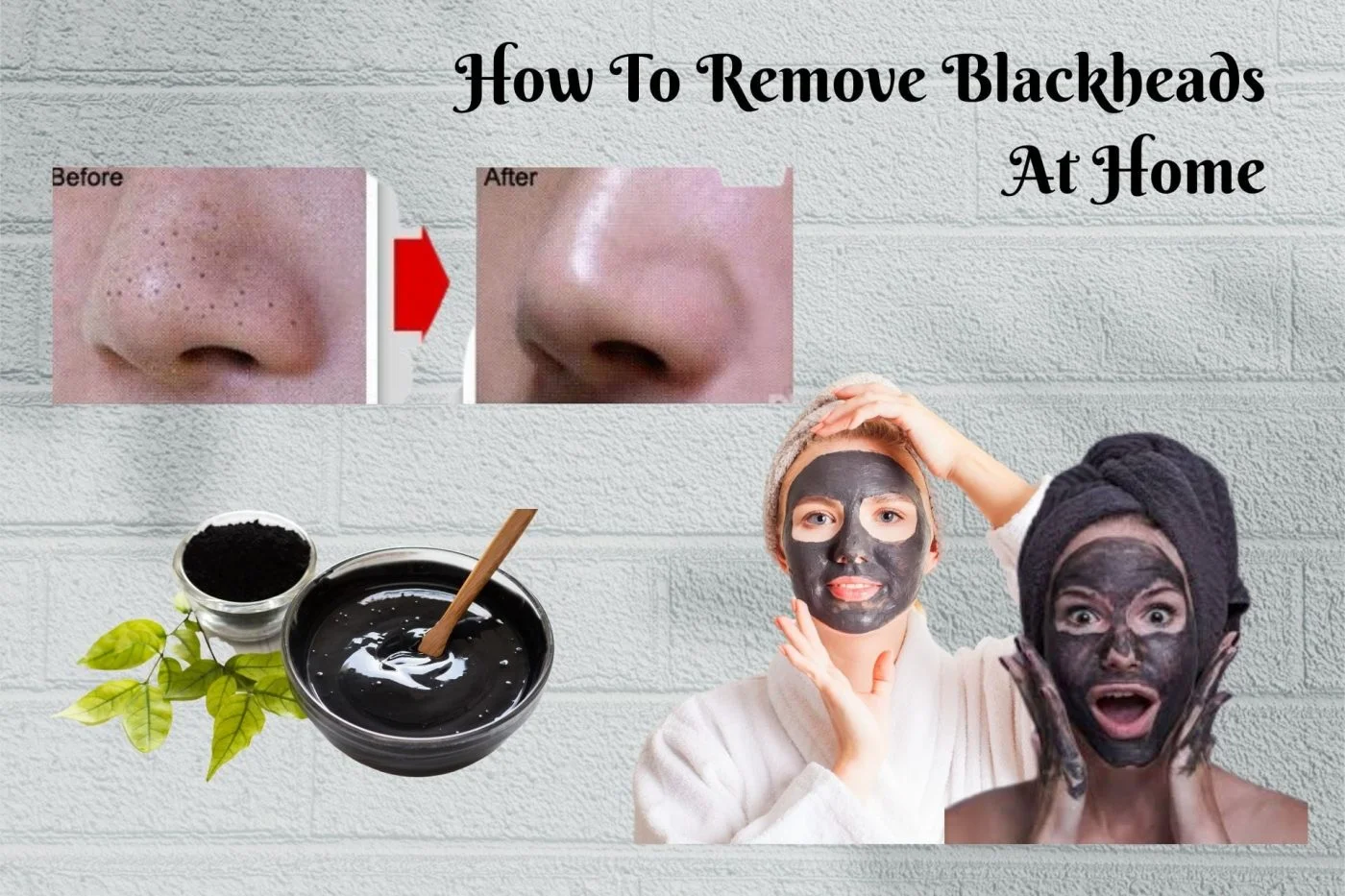
Step-by-Step Guide to DIY Blackhead Remover
Preparing Your Skin
- Start by washing your face with a mild cleanser to remove any dirt or makeup.
- Gently pat your face dry with a clean towel.
Gathering the Ingredients
- Collect all the ingredients needed for your chosen DIY blackhead remover method.
- Ensure that you have the necessary tools and equipment, such as a bowl, spoon, or brush for application.
Step 1: Steam and Exfoliate
- Prepare a bowl of hot water and lean over it, allowing the steam to open up your pores for about 5-10 minutes.
- Mix the ingredients for your chosen exfoliating paste, such as baking soda and water, and apply it to your damp face.
- Massage the paste onto your skin in gentle circular motions, paying extra attention to areas with blackheads.
- Rinse off the paste with lukewarm water and pat your face dry.
Step 2: Apply DIY Blackhead Remover
- Follow the instructions for your chosen DIY blackhead remover method, such as applying a clay mask or honey and cinnamon paste.
- Make sure to cover all areas with blackheads and avoid sensitive areas like the eyes and mouth.
Step 3: Rinse and Moisturize
- After the recommended time, rinse off the DIY blackhead remover with warm water.
- Gently pat your face dry with a clean towel.
- Apply a lightweight moisturizer to nourish and hydrate your skin.
Tips and Precautions for DIY Blackhead Remover
Patch Test for Allergies
Before applying any DIY blackhead remover to your face, it’s essential to conduct a patch test on a small area of your skin to check for any allergic reactions. Apply a small amount of the mixture to your inner wrist or behind your ear and wait for 24 hours. If you experience any redness, itching, or irritation, refrain from using the mixture on your face.
Avoid Over-Exfoliation
While exfoliation is necessary for removing dead skin cells and unclogging pores, it’s important not to overdo it. Over-exfoliating can lead to dryness, redness, and irritation. Limit exfoliation to 2-3 times a week and be gentle when rubbing the exfoliating paste onto your skin.
Hydrating and Moisturizing After Treatment
After removing blackheads, your skin may feel dry or tight. To restore moisture and maintain hydration, apply a lightweight moisturizer suited to your skin type. Choose products that are non-comedogenic and free from harsh chemicals to avoid clogging your pores.

Alternative Blackhead Removal Techniques
While DIY blackhead removers can be effective, some individuals may prefer ready-made products. Here are a few alternative techniques that you can consider:
- Biore Charcoal Acne Cleaner: This product combines the purifying properties of charcoal with gentle exfoliation to remove blackheads and prevent future breakouts.
- Biore Rose Quartz + Charcoal Daily Face Wash: Infused with rose quartz and charcoal, this face wash deep cleanses your pores, leaving your skin feeling refreshed and clear.
- Biore Charcoal Deep Cleansing Pore Strips: Formulated with charcoal, these pore strips adhere to blackheads, lifting them out and leaving your nose smooth and clean.
- Biore Deep Pore Charcoal Face Wash: This face wash contains natural charcoal to trap and remove dirt, oil, and impurities for a deep cleanse and blackhead reduction.
Conclusion
Using a DIY blackhead remover can be a cost-effective and natural way to achieve clear and healthy skin. By understanding the causes and nature of blackheads, you can choose the right ingredients and methods to effectively remove them. Whether you opt for the steam and exfoliation method, a clay mask, or honey and cinnamon, these DIY remedies can help you bid farewell to those pesky blackheads. Remember to take proper precautions, conduct patch tests, and keep your skin hydrated and moisturized for the best results. Say goodbye to blackheads and hello to a radiant complexion!
